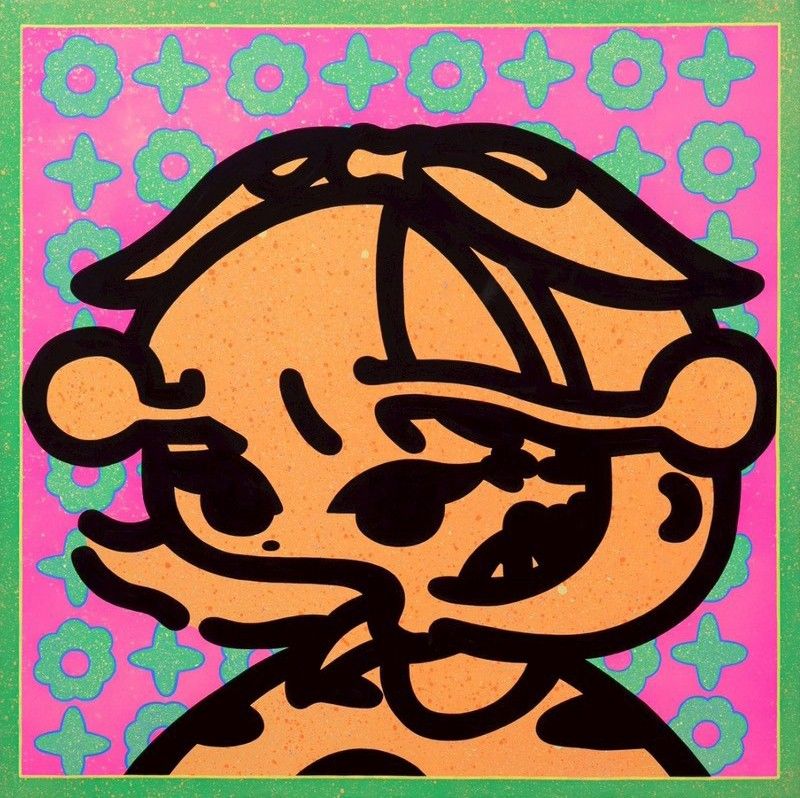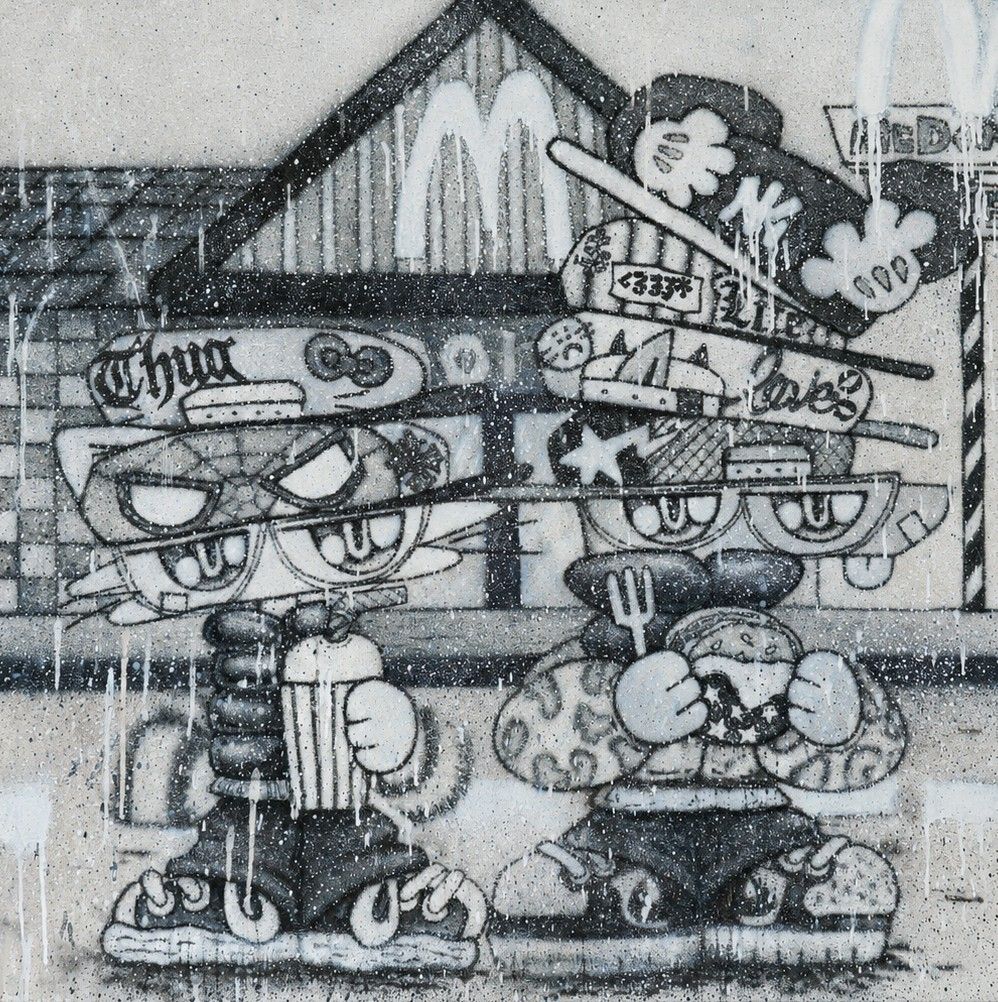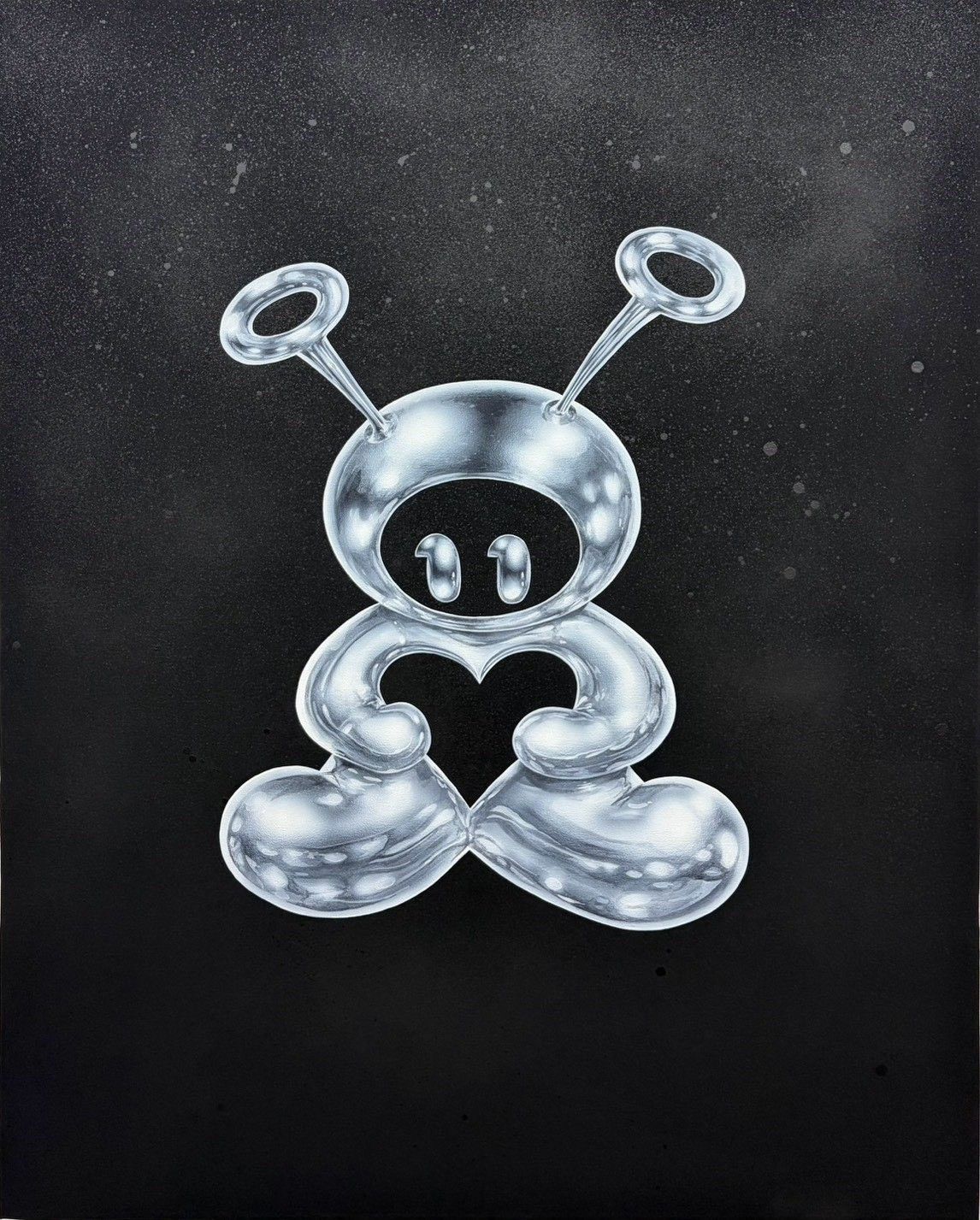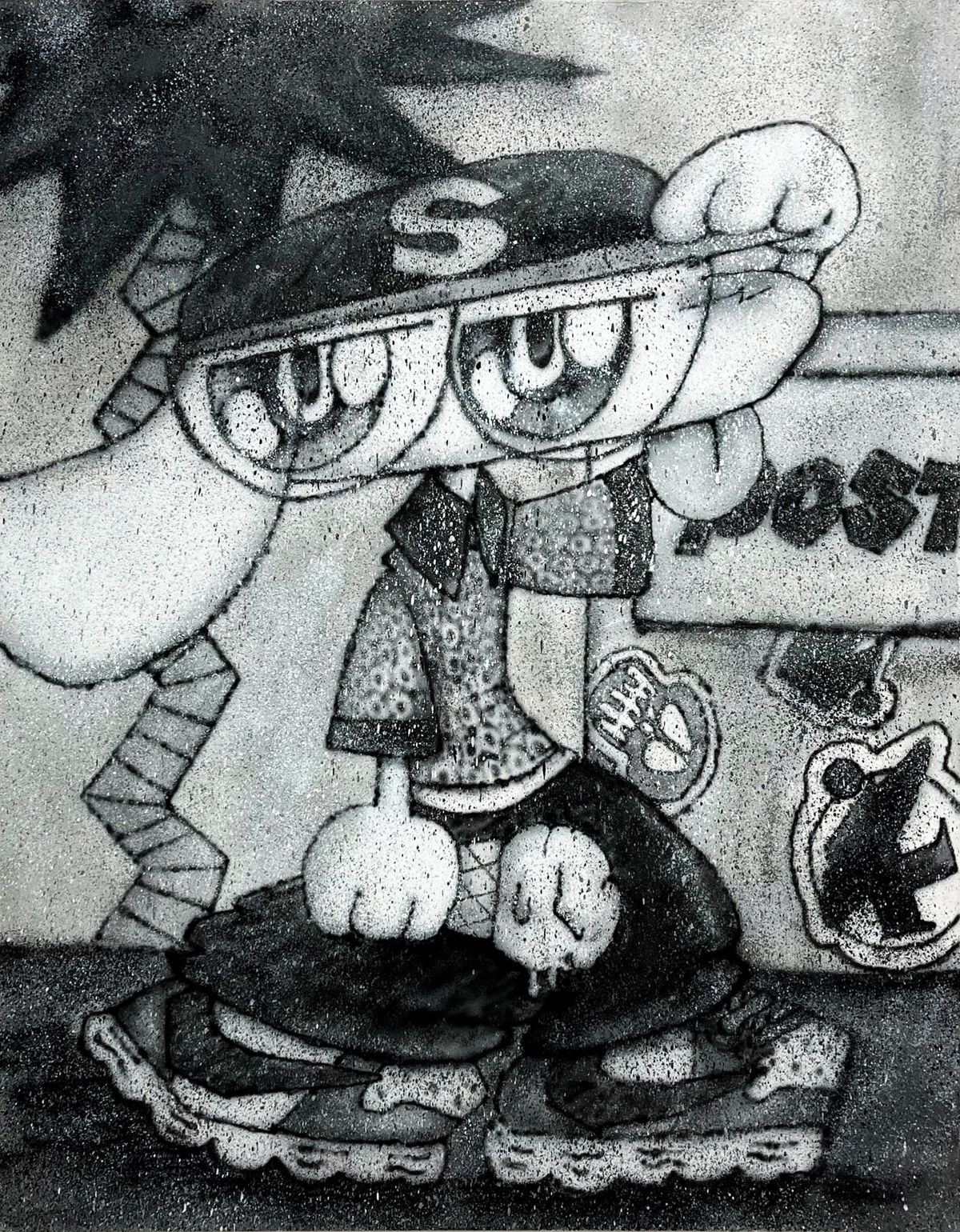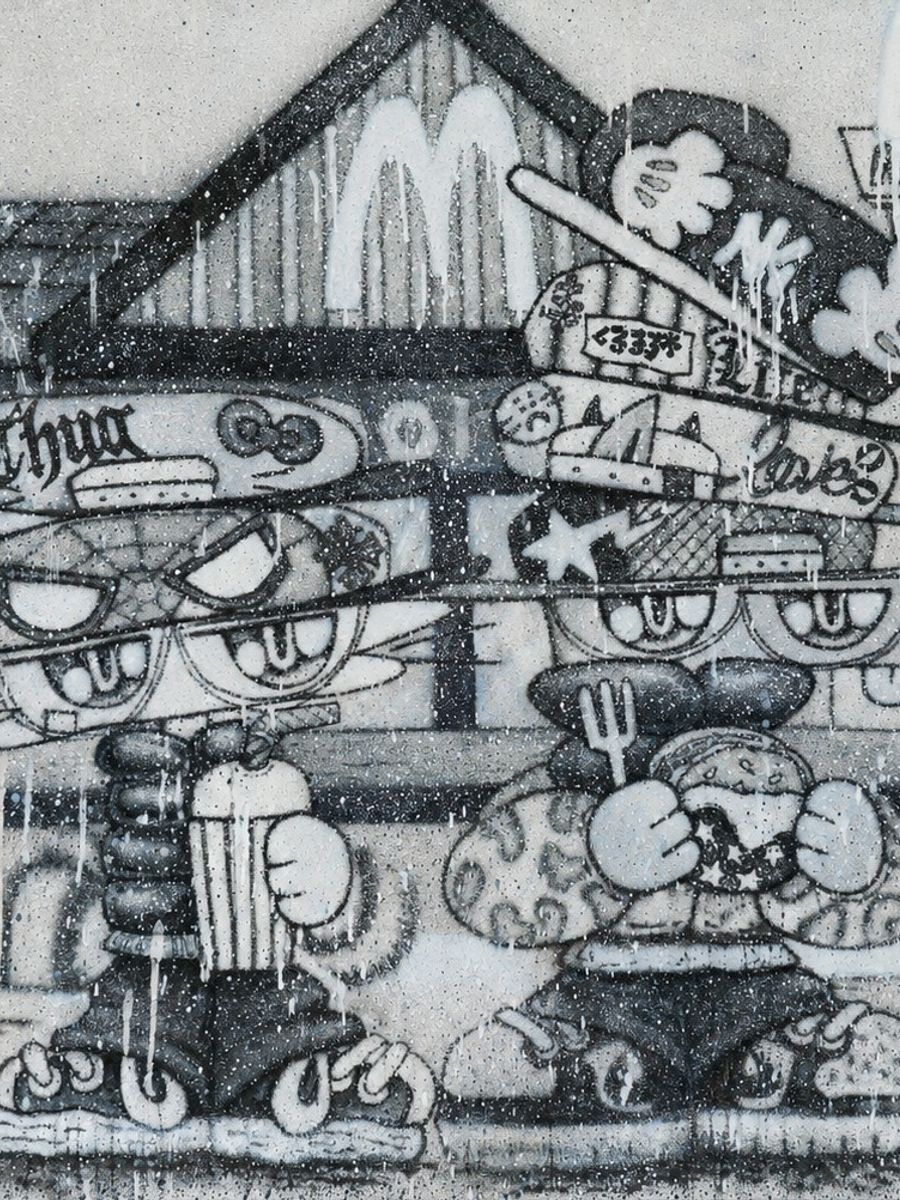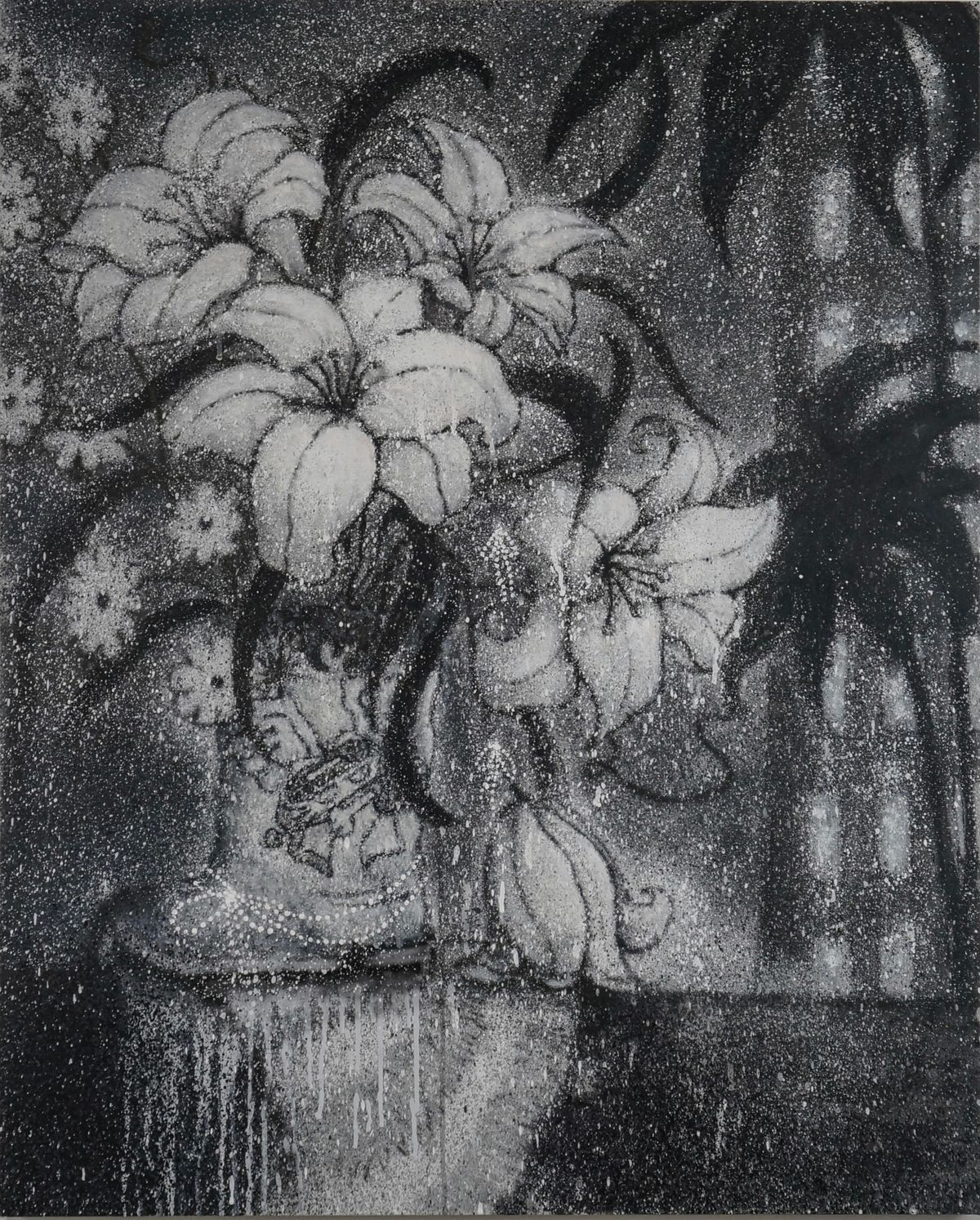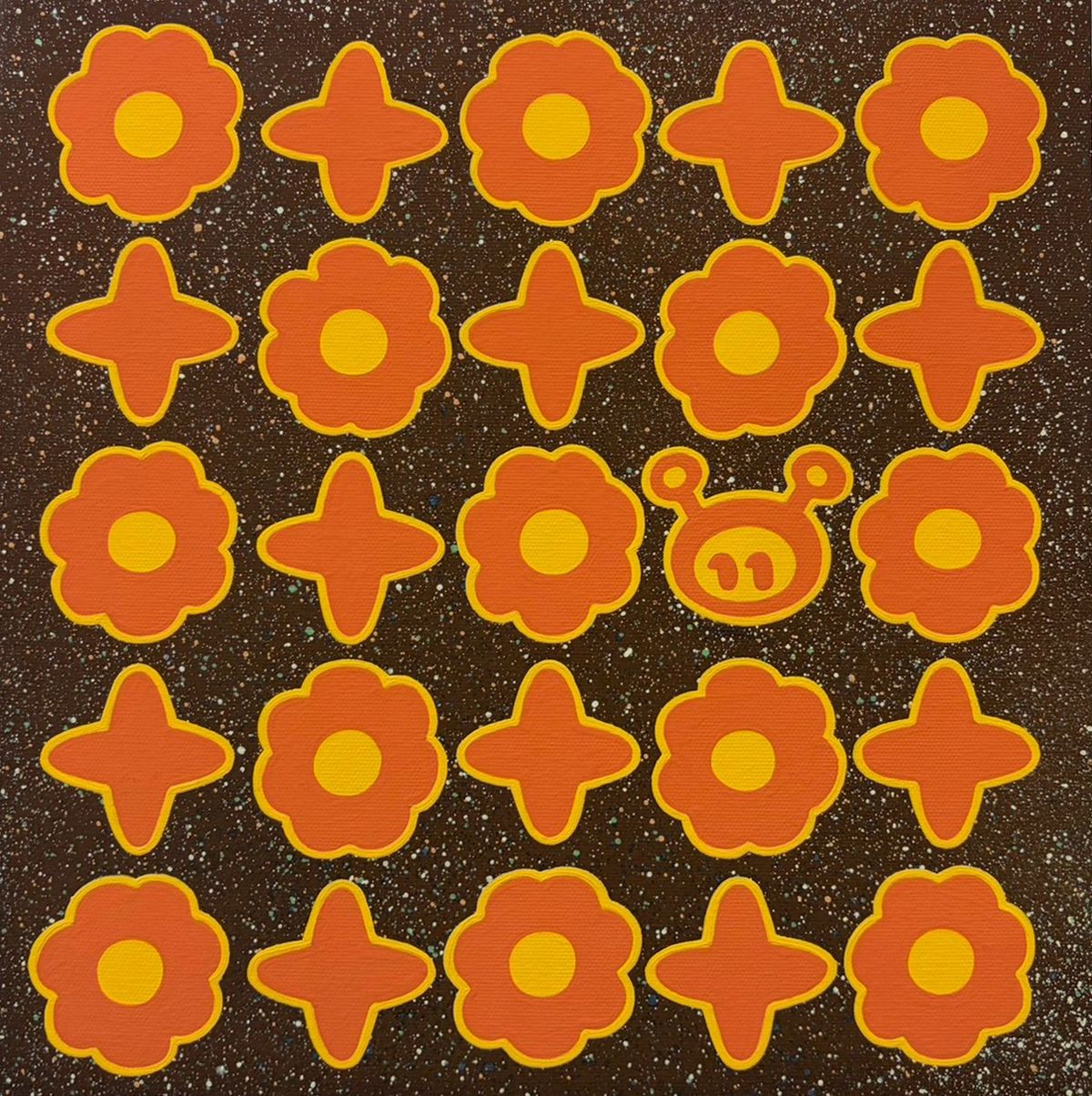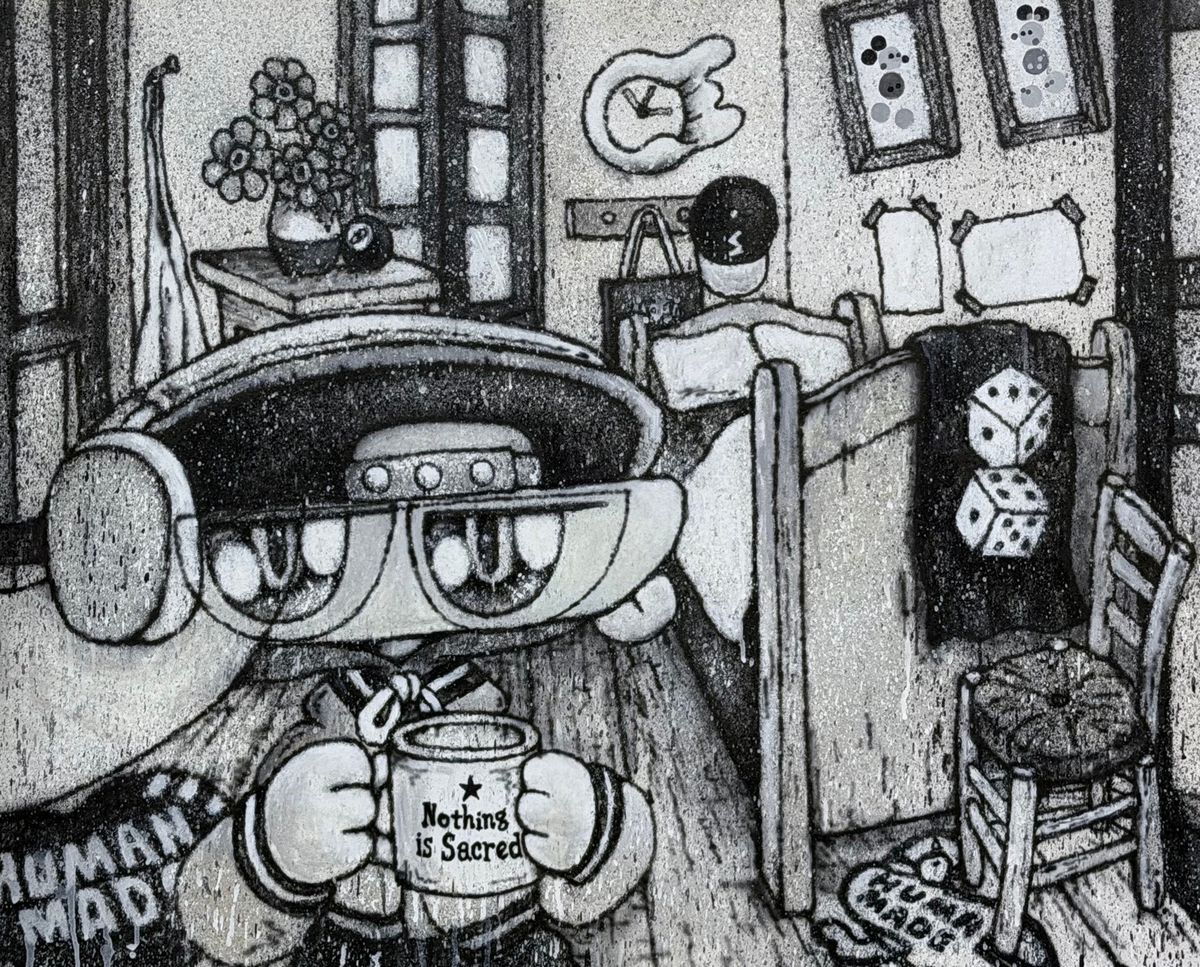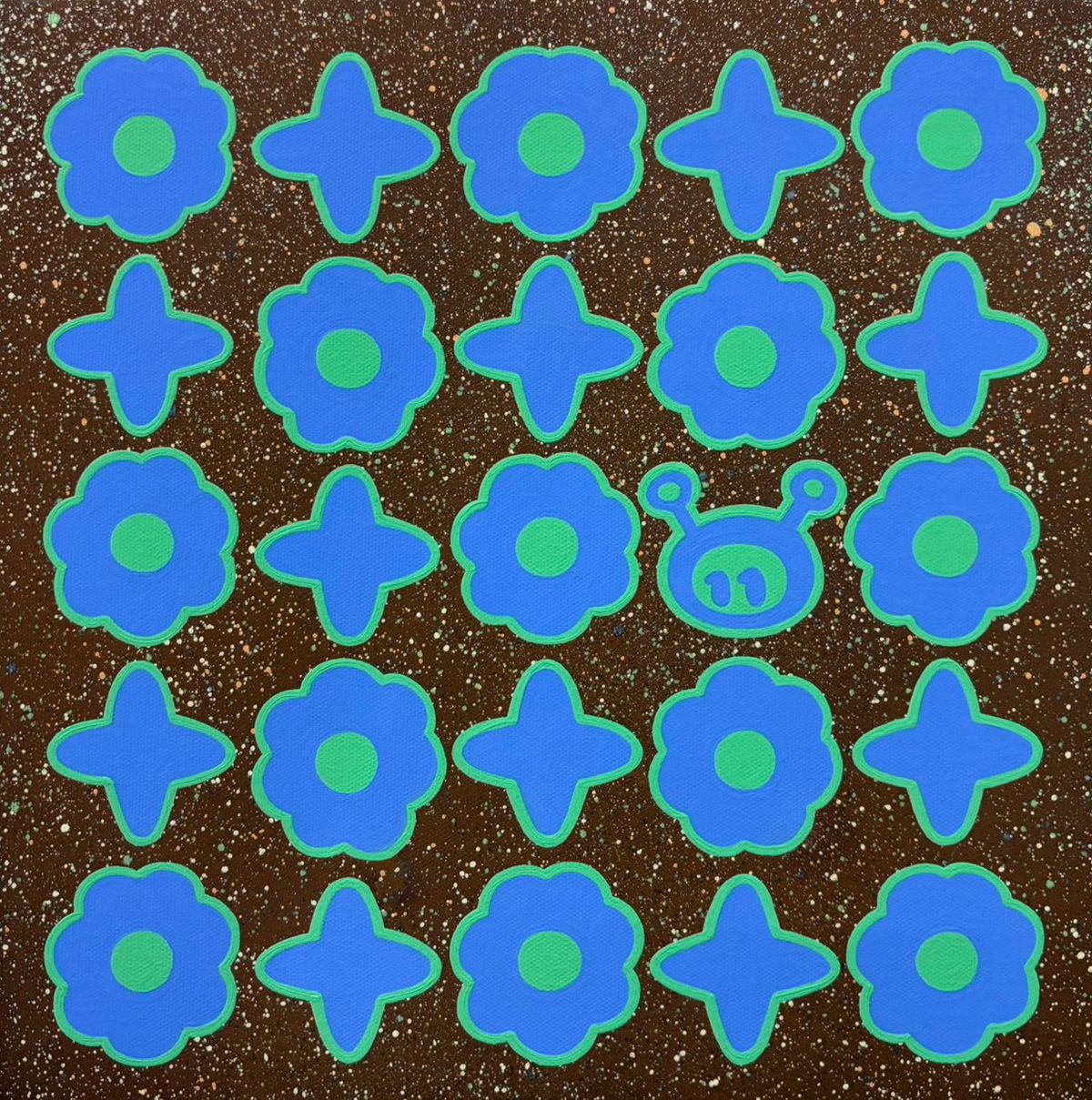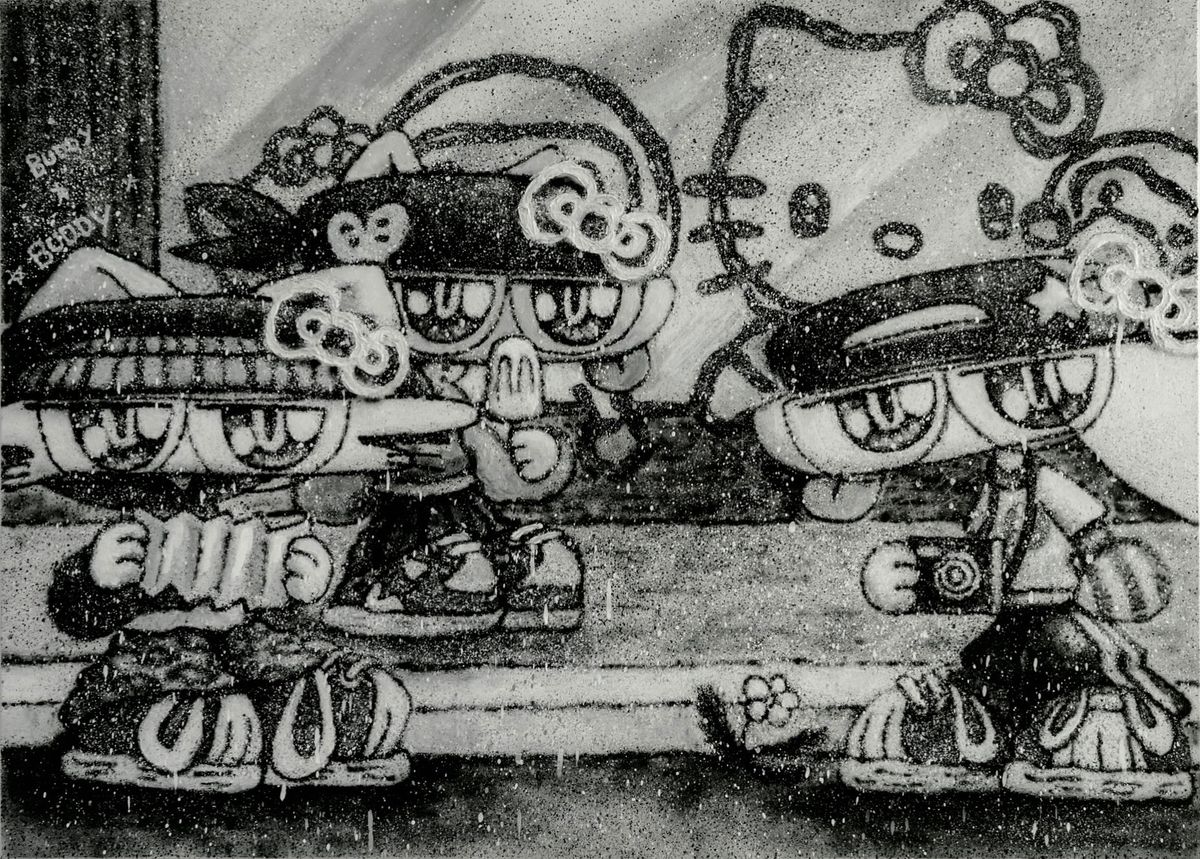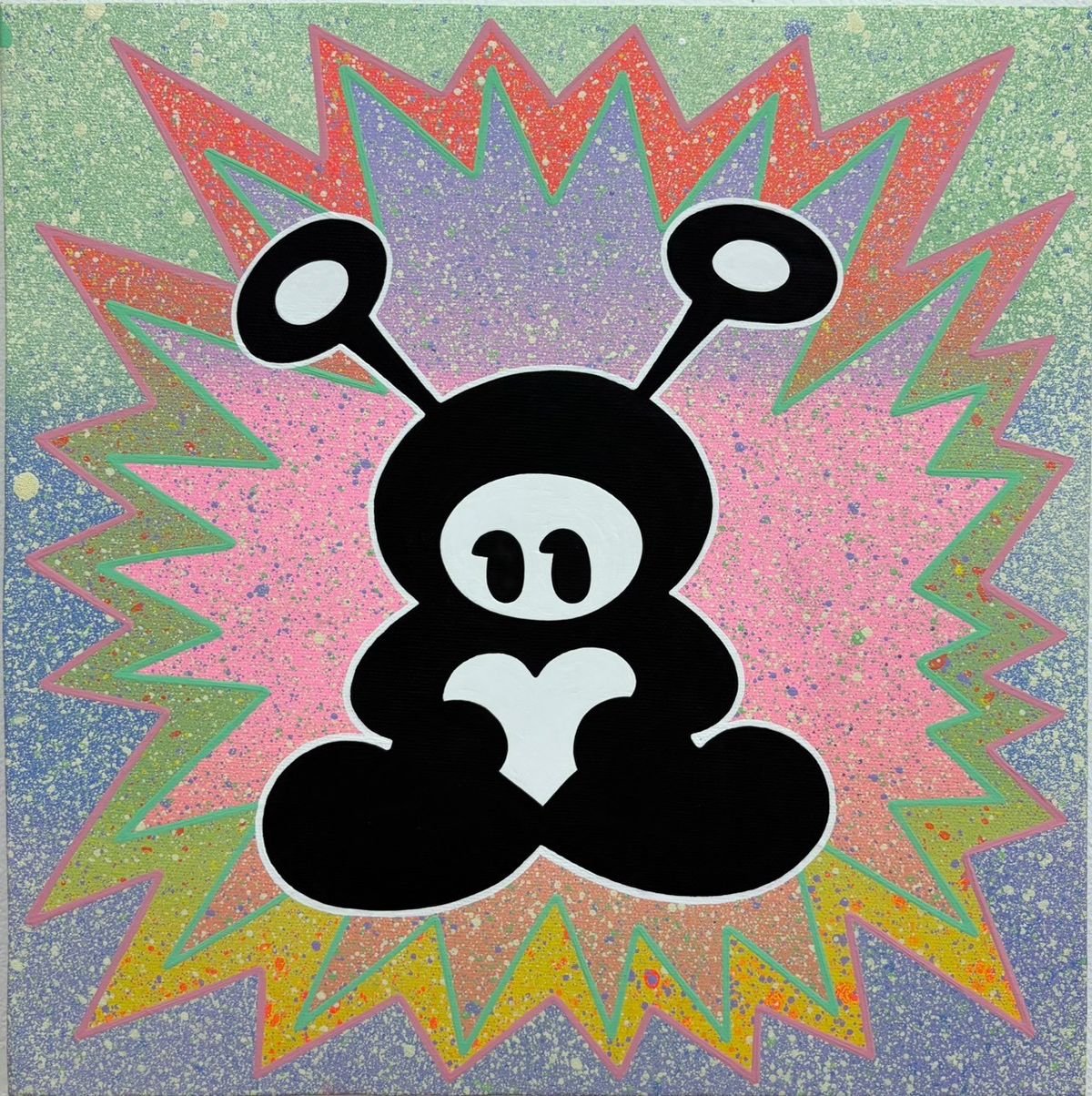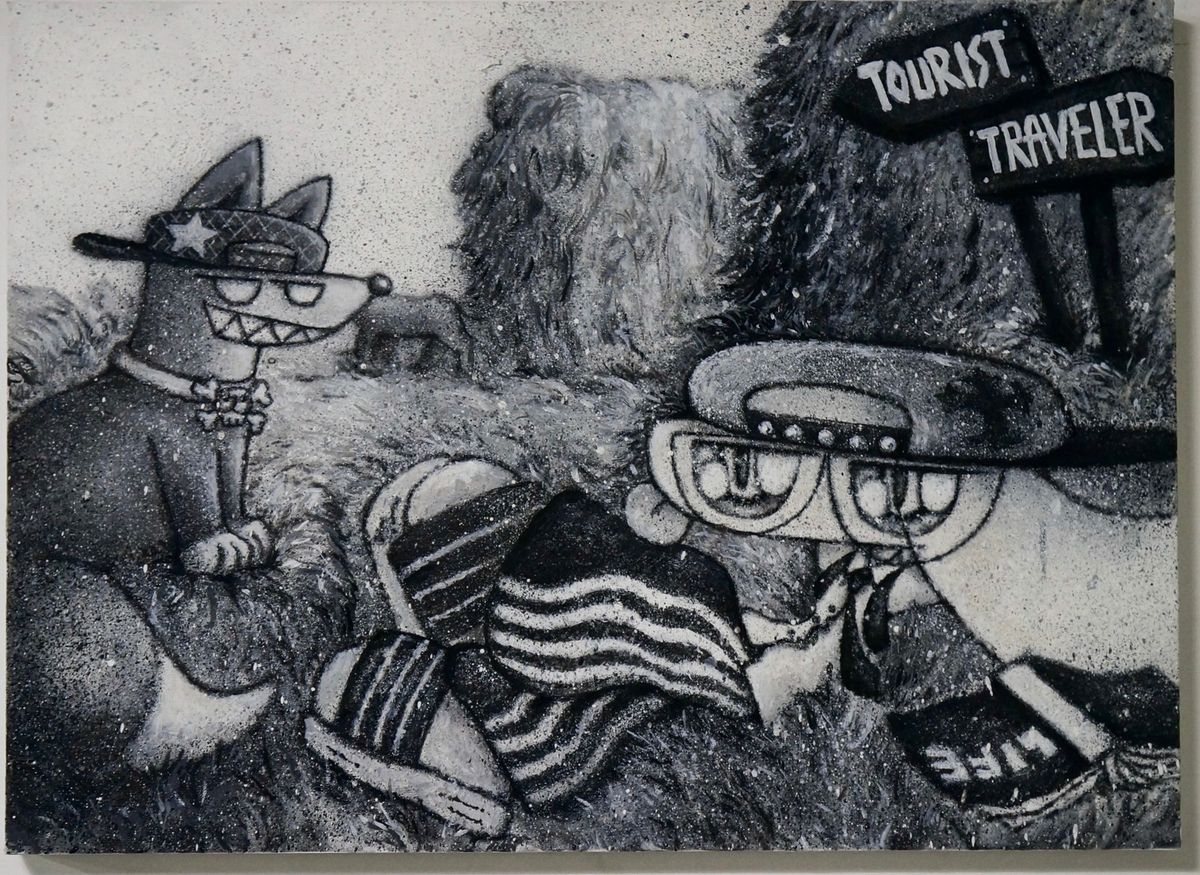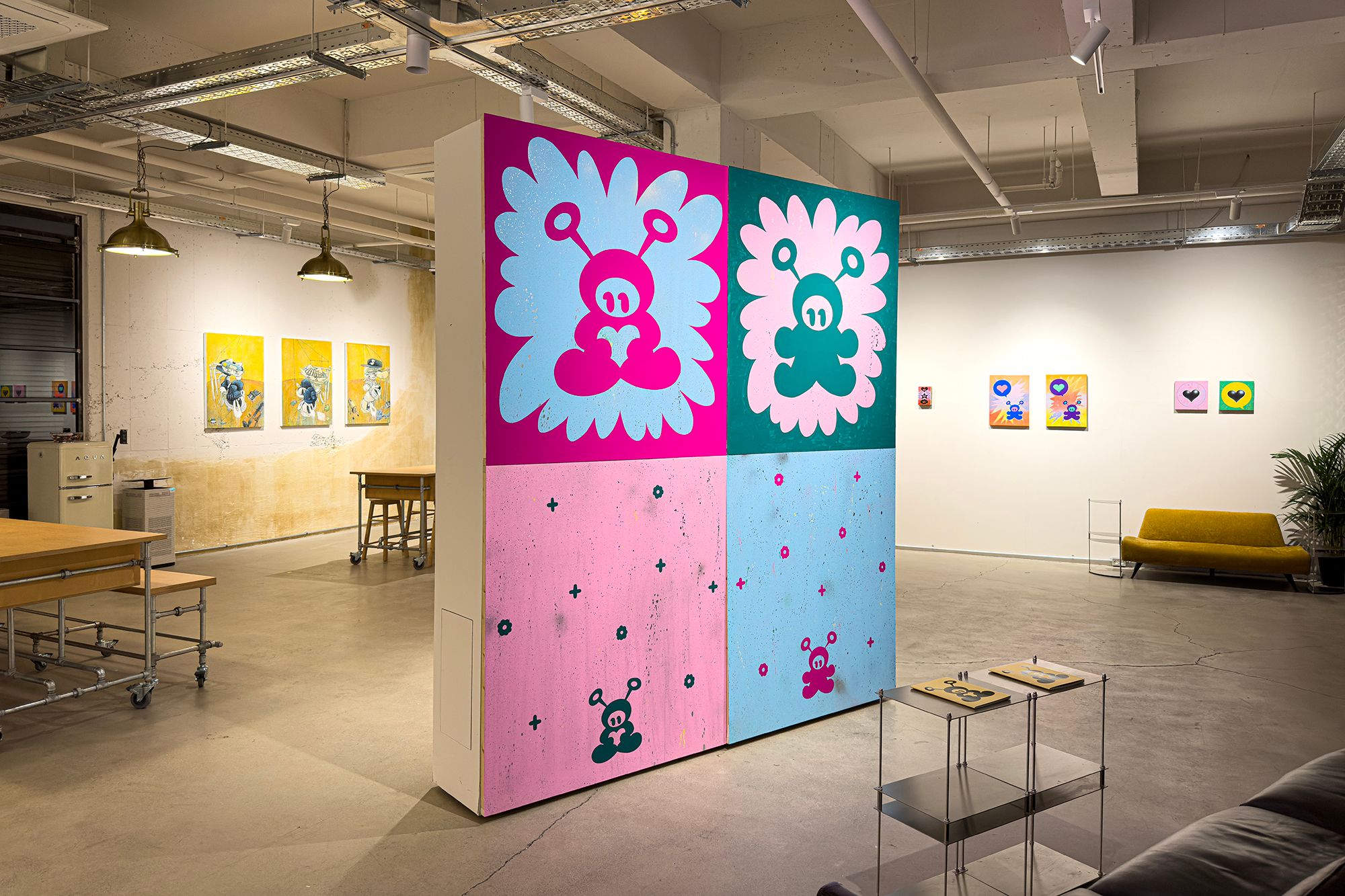
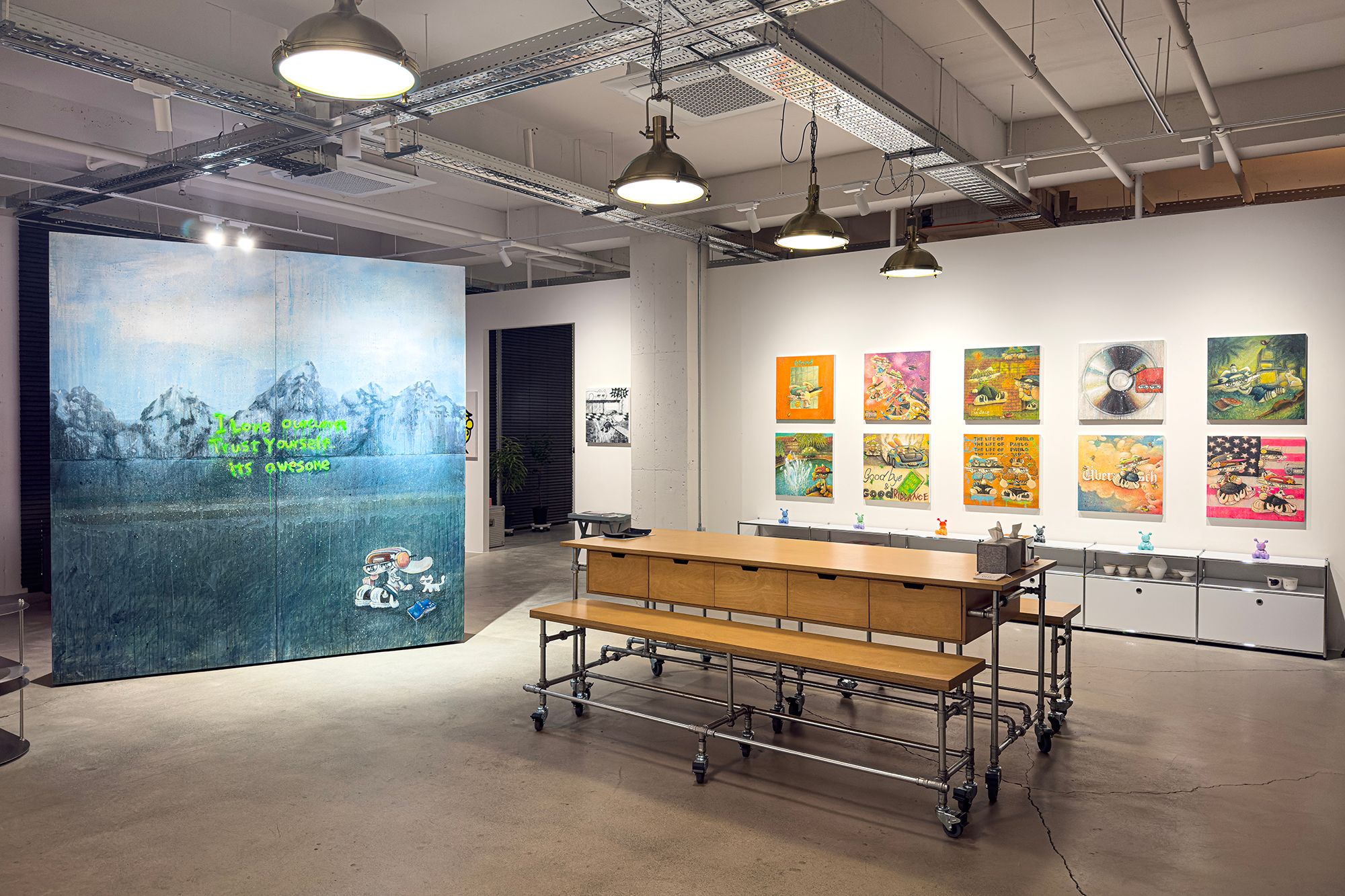
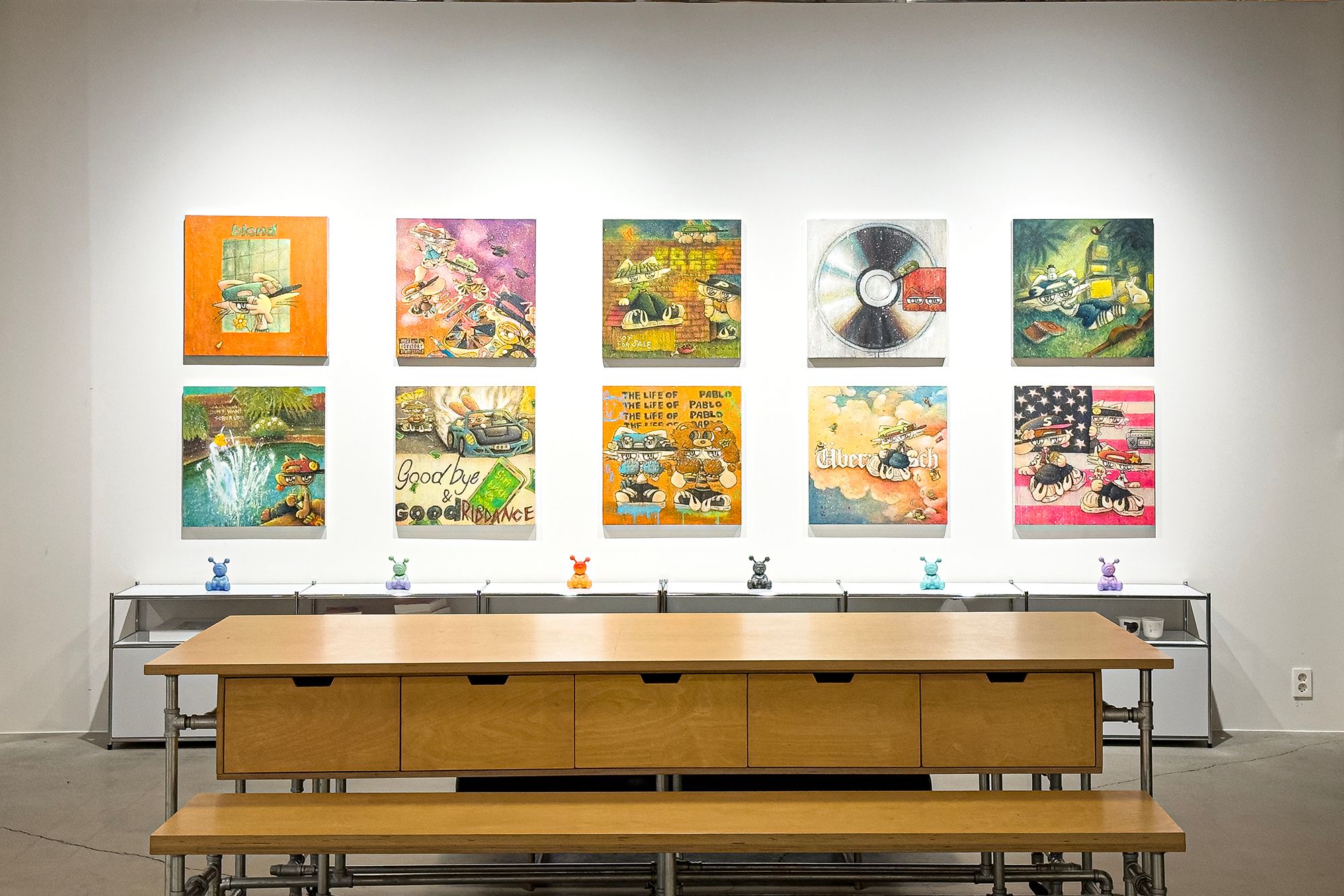
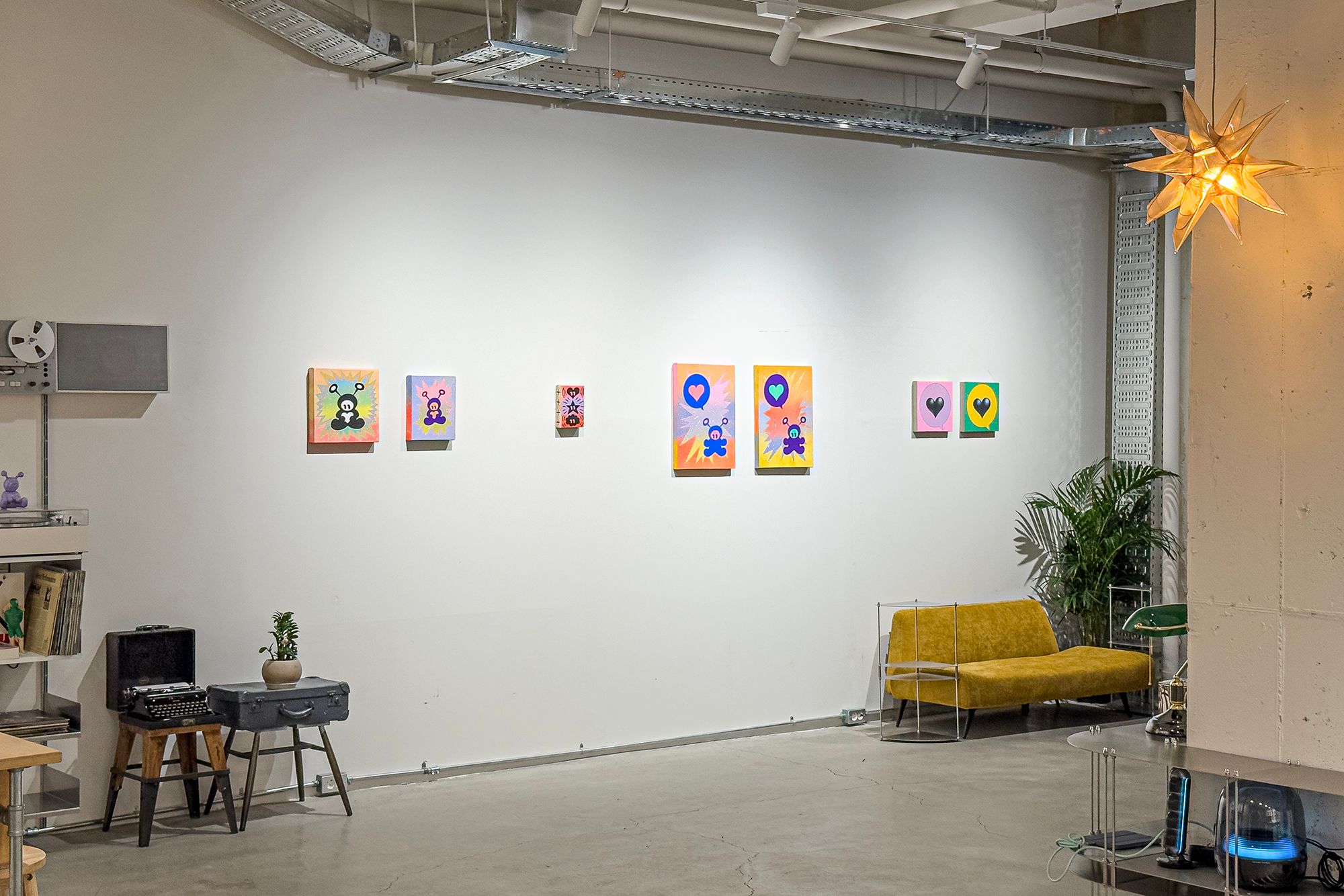
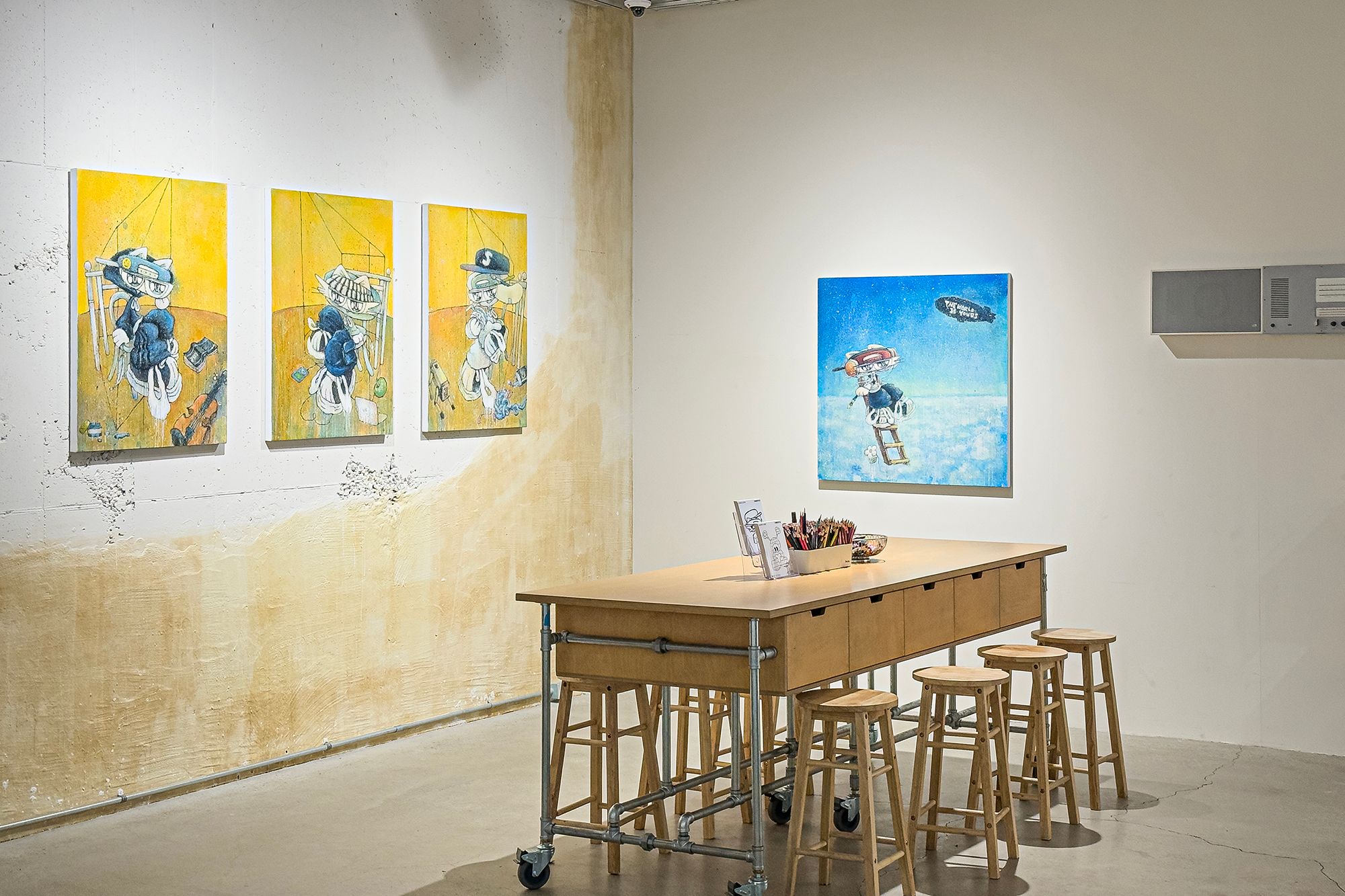
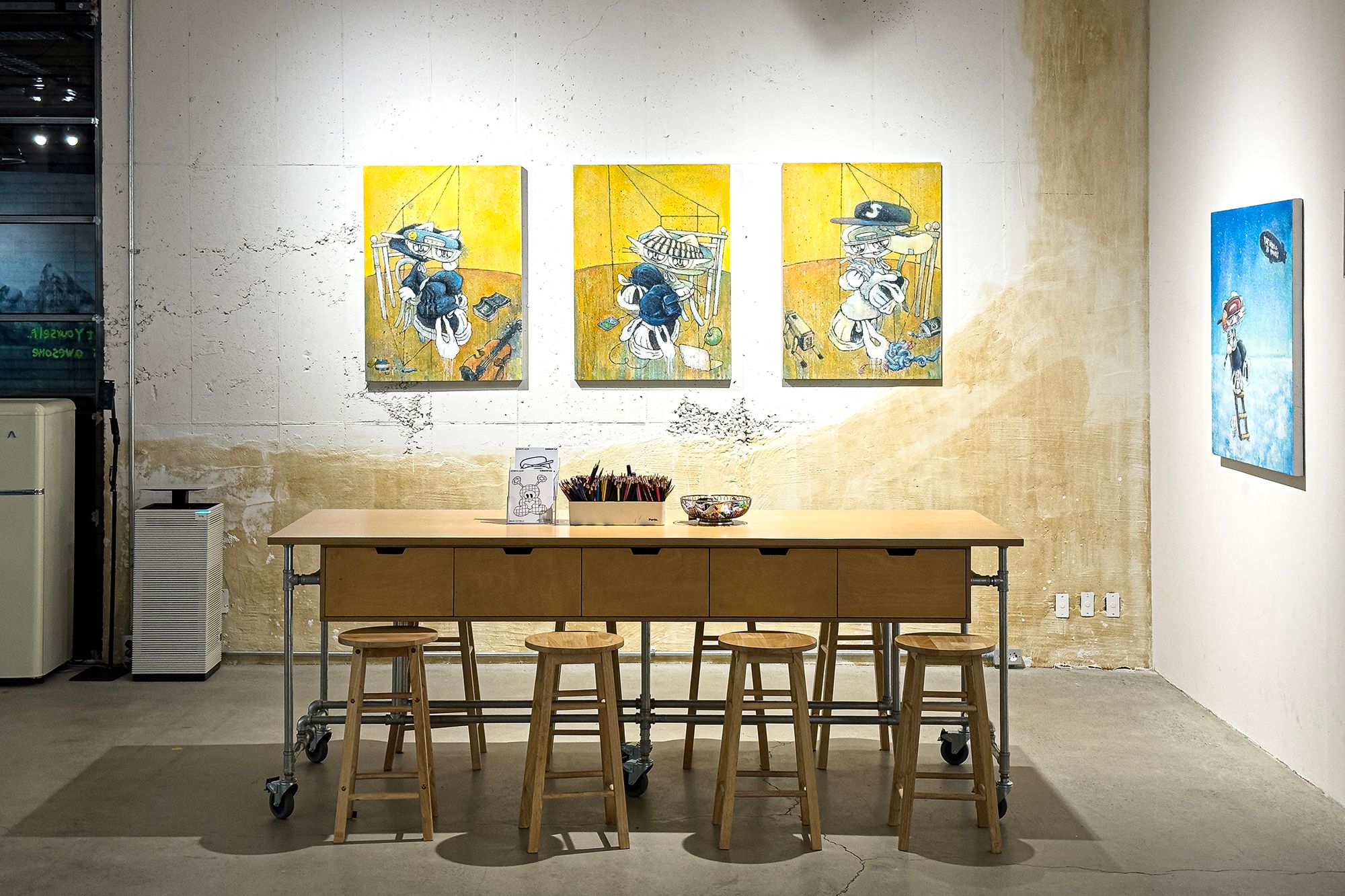
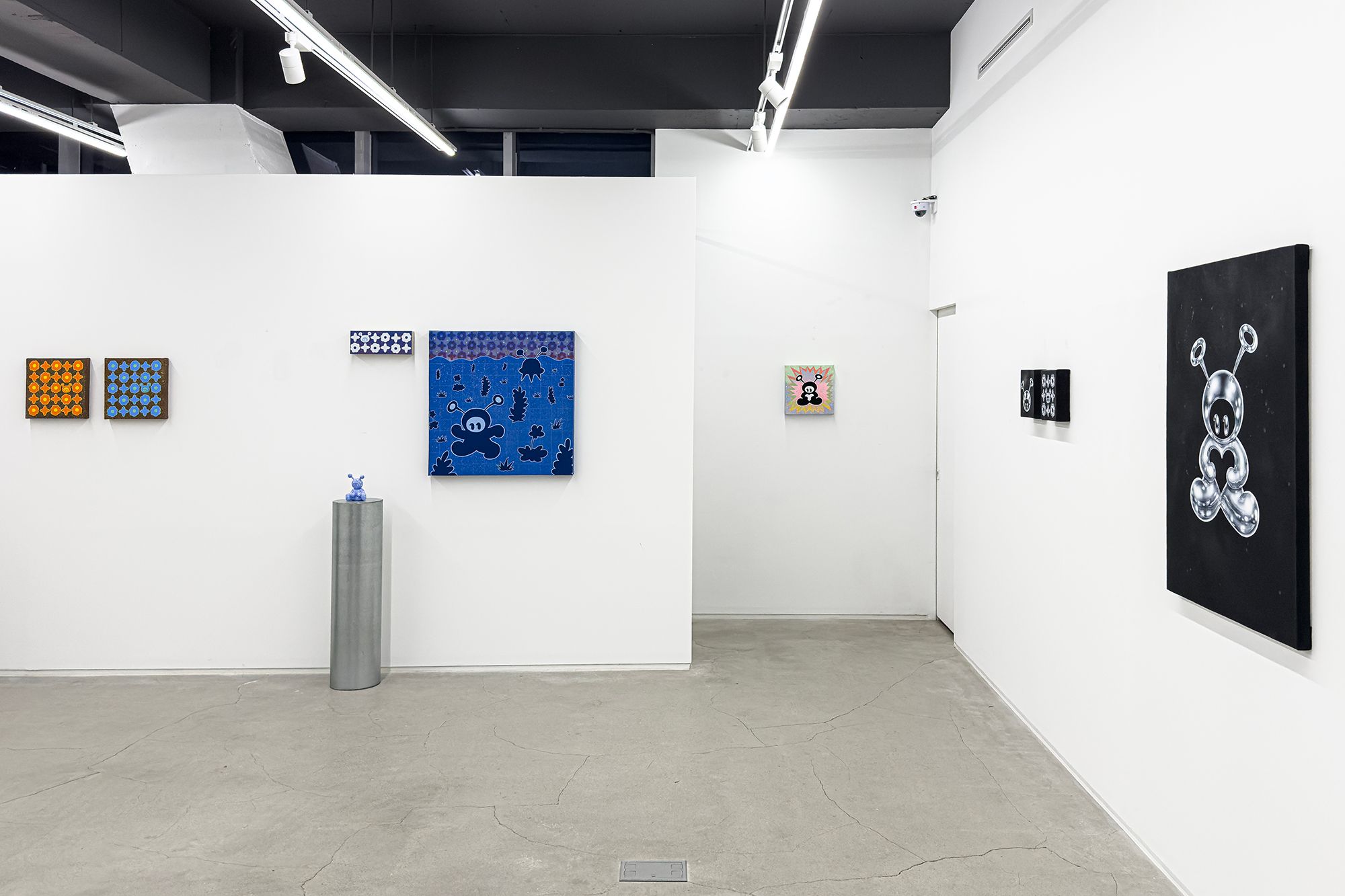
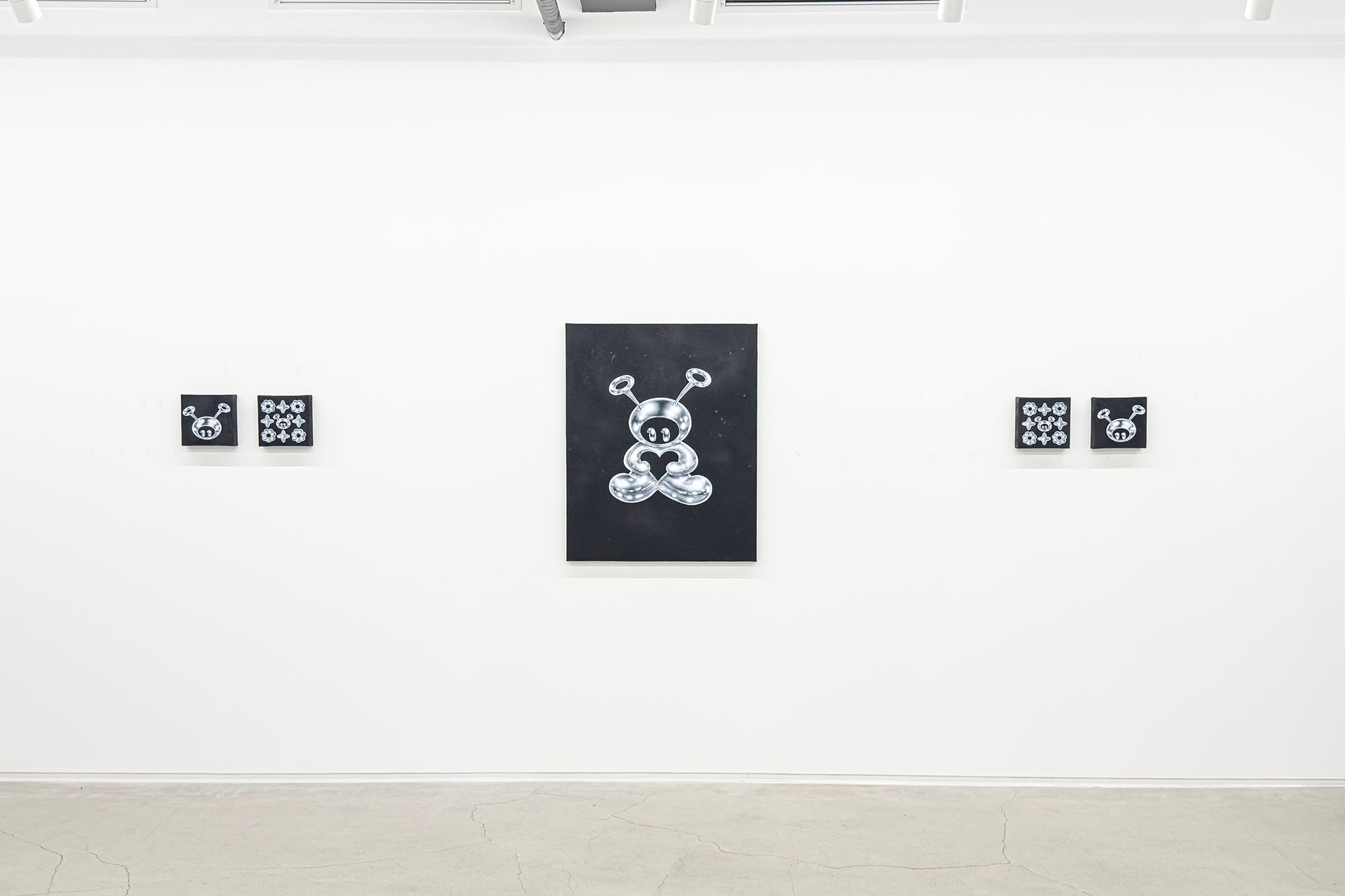
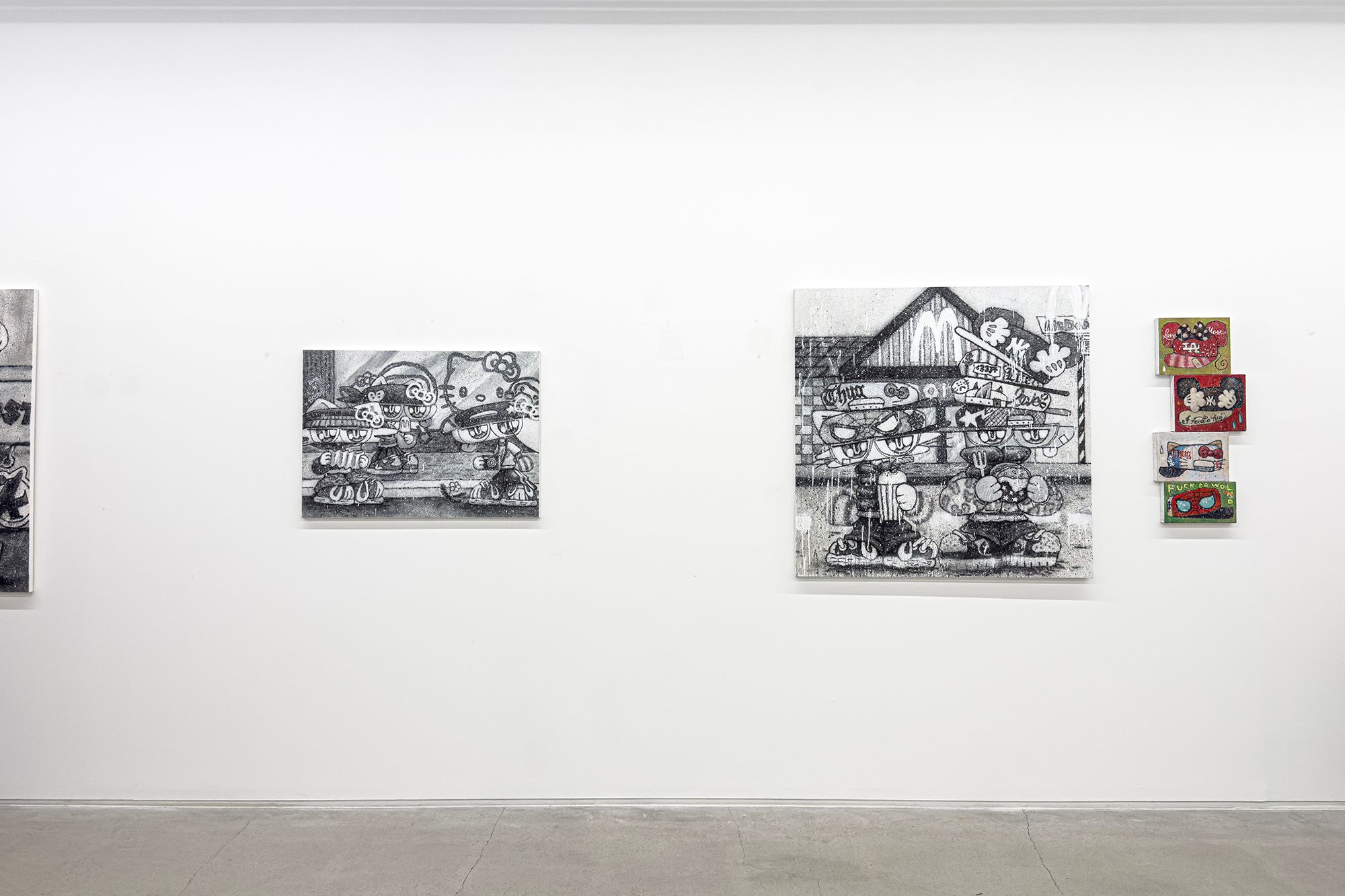
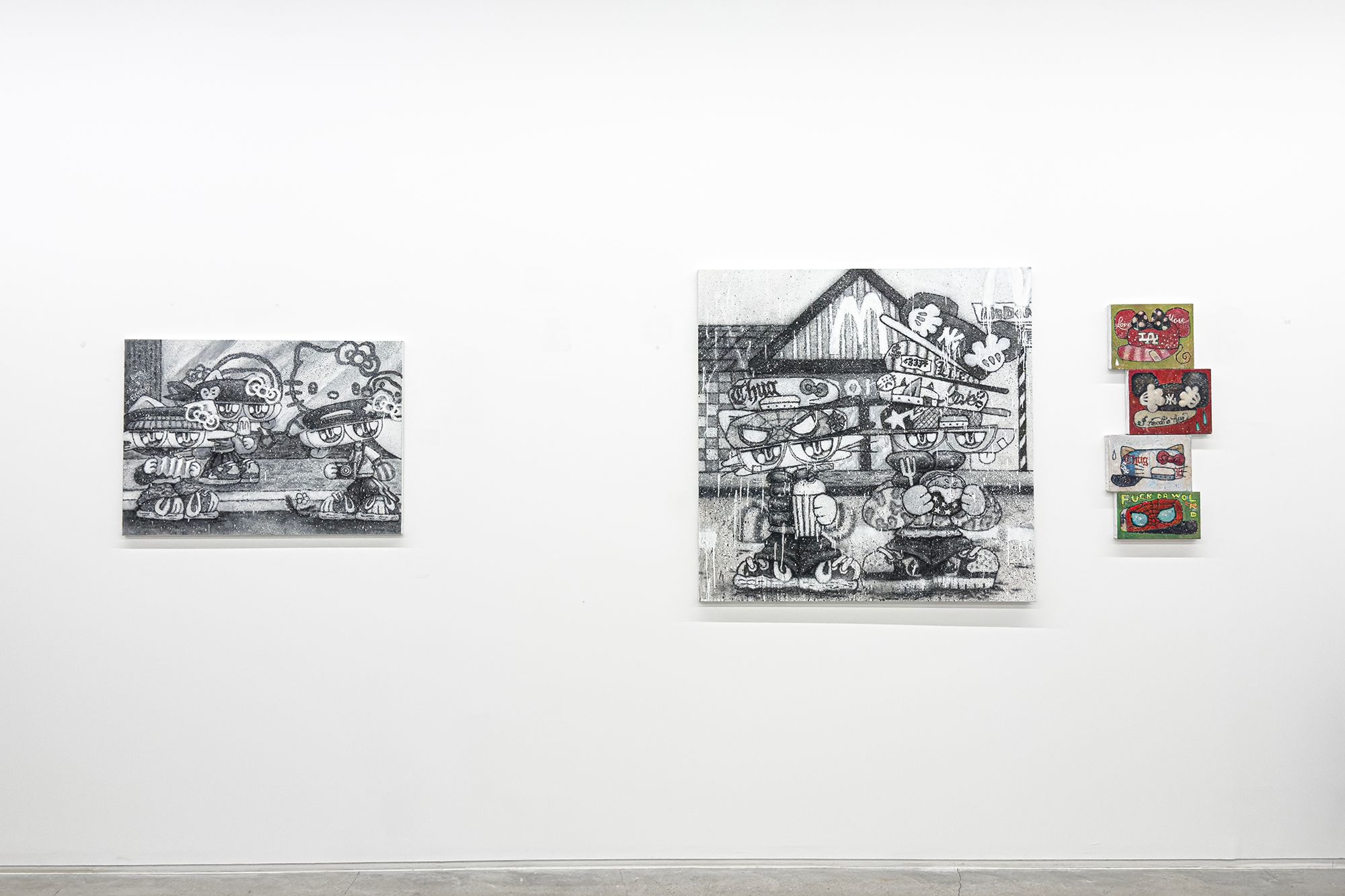
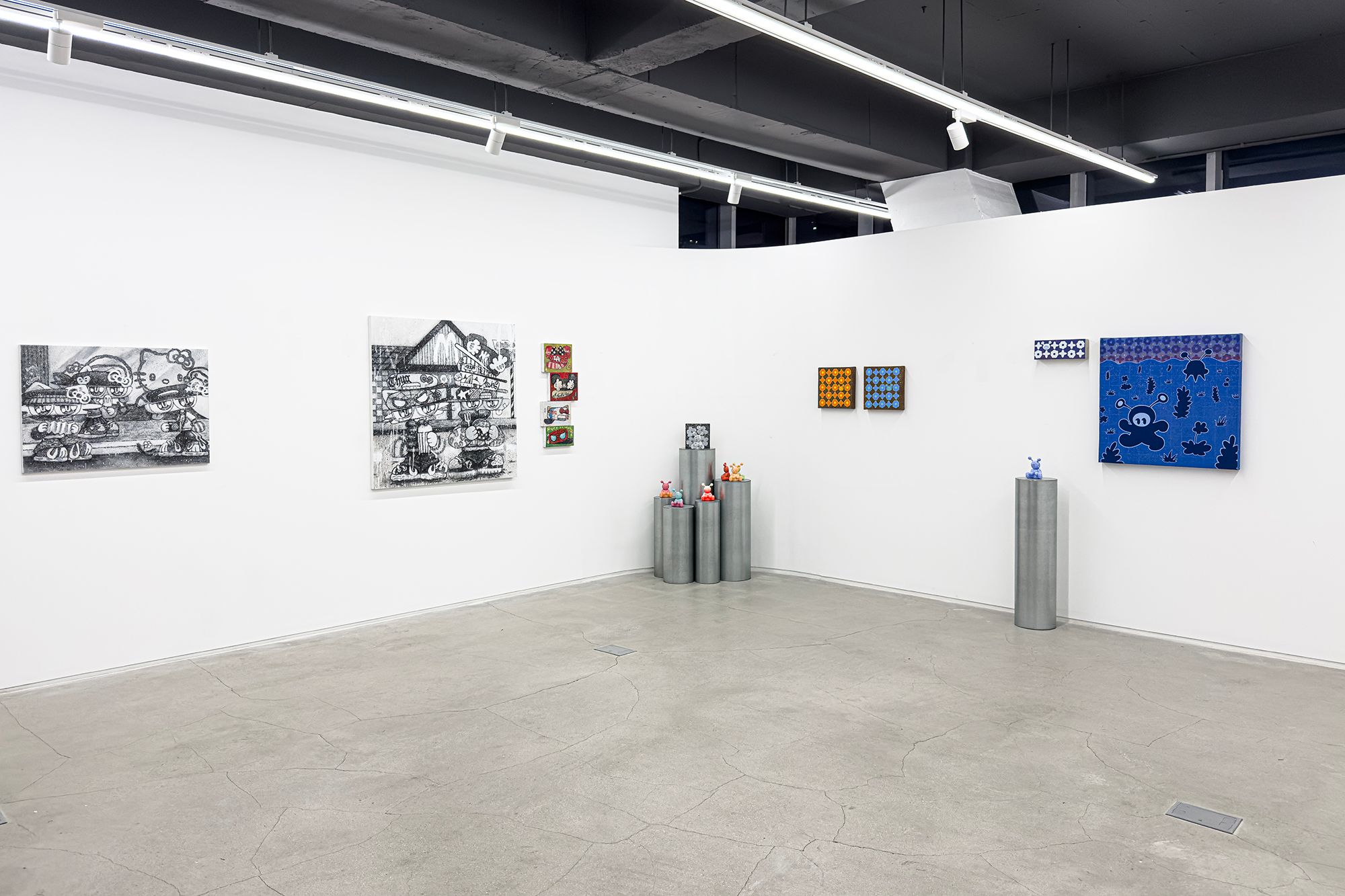
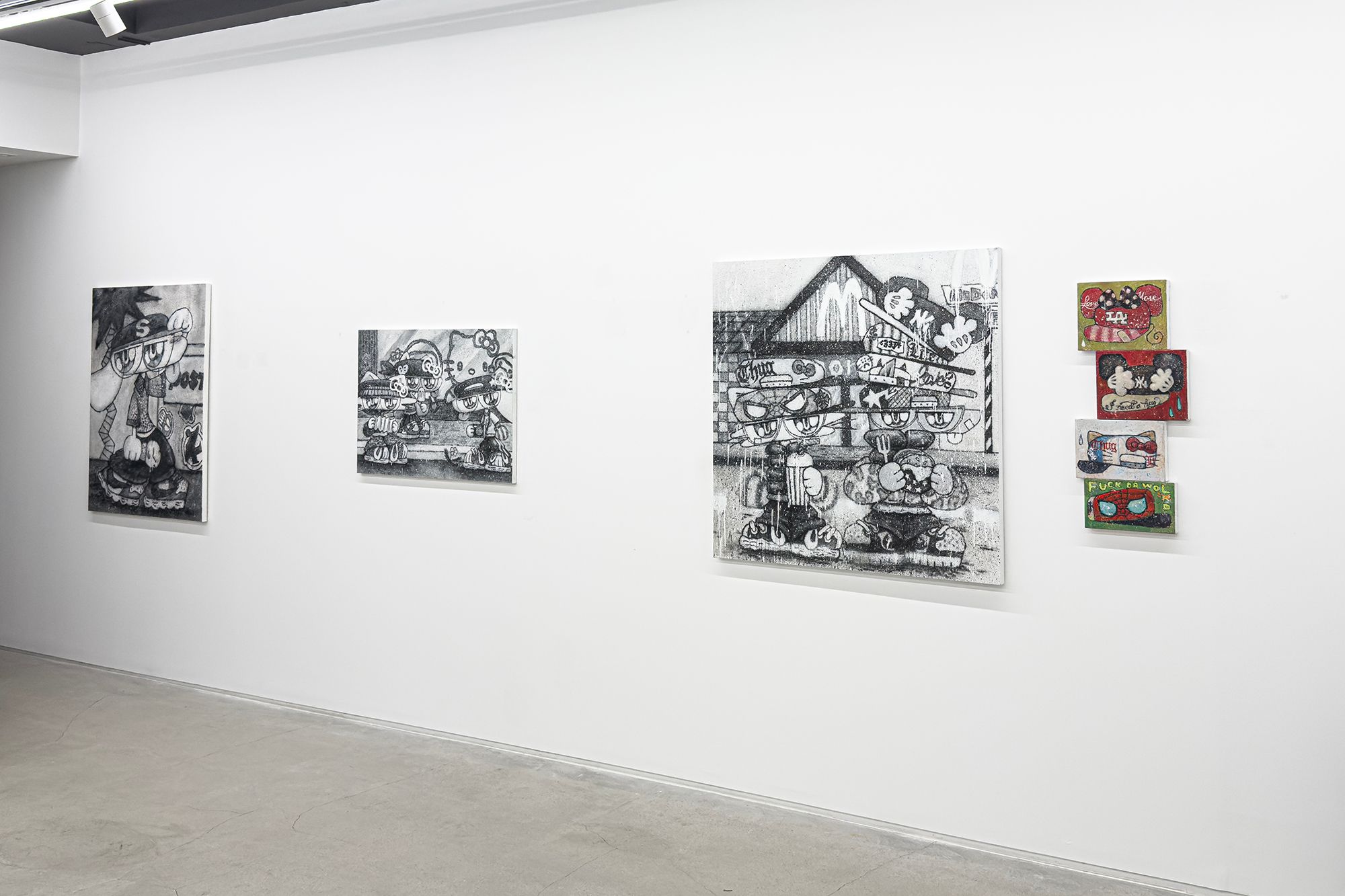
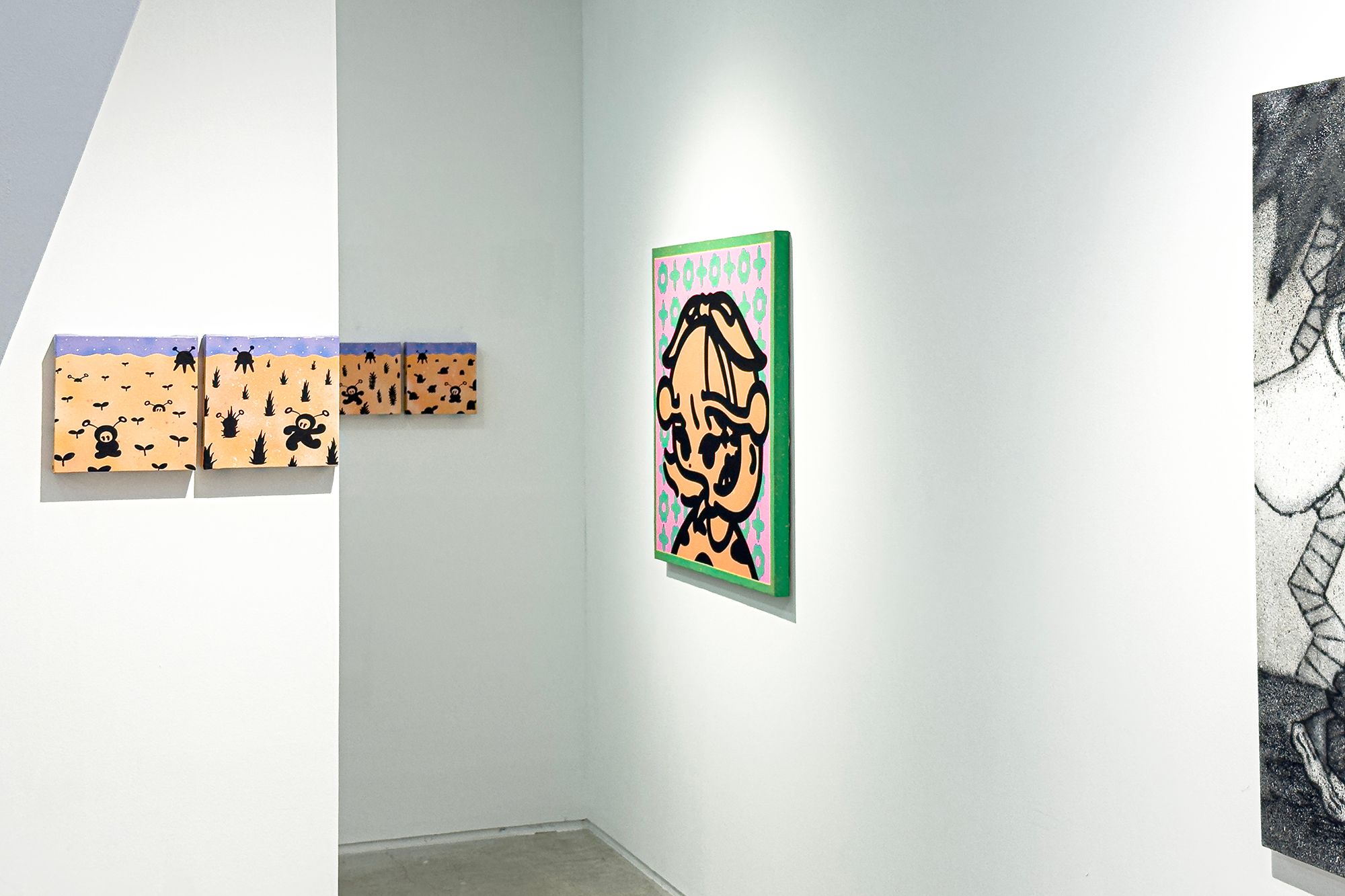
There was a time when bringing the languages of comics, animation, hip-hop, and street culture into contemporary art was seen as a new attempt to challenge established boundaries. For a generation that has grown up surrounded by these cultures, however, those boundaries are no longer so clear. In an environment where diverse images and cultures intersect as part of everyday life, characters have become more than symbols of popular culture: they are an artistic language capable of carrying identities and stories of their own. This shift invites us to consider how contemporary art might evolve in the future.
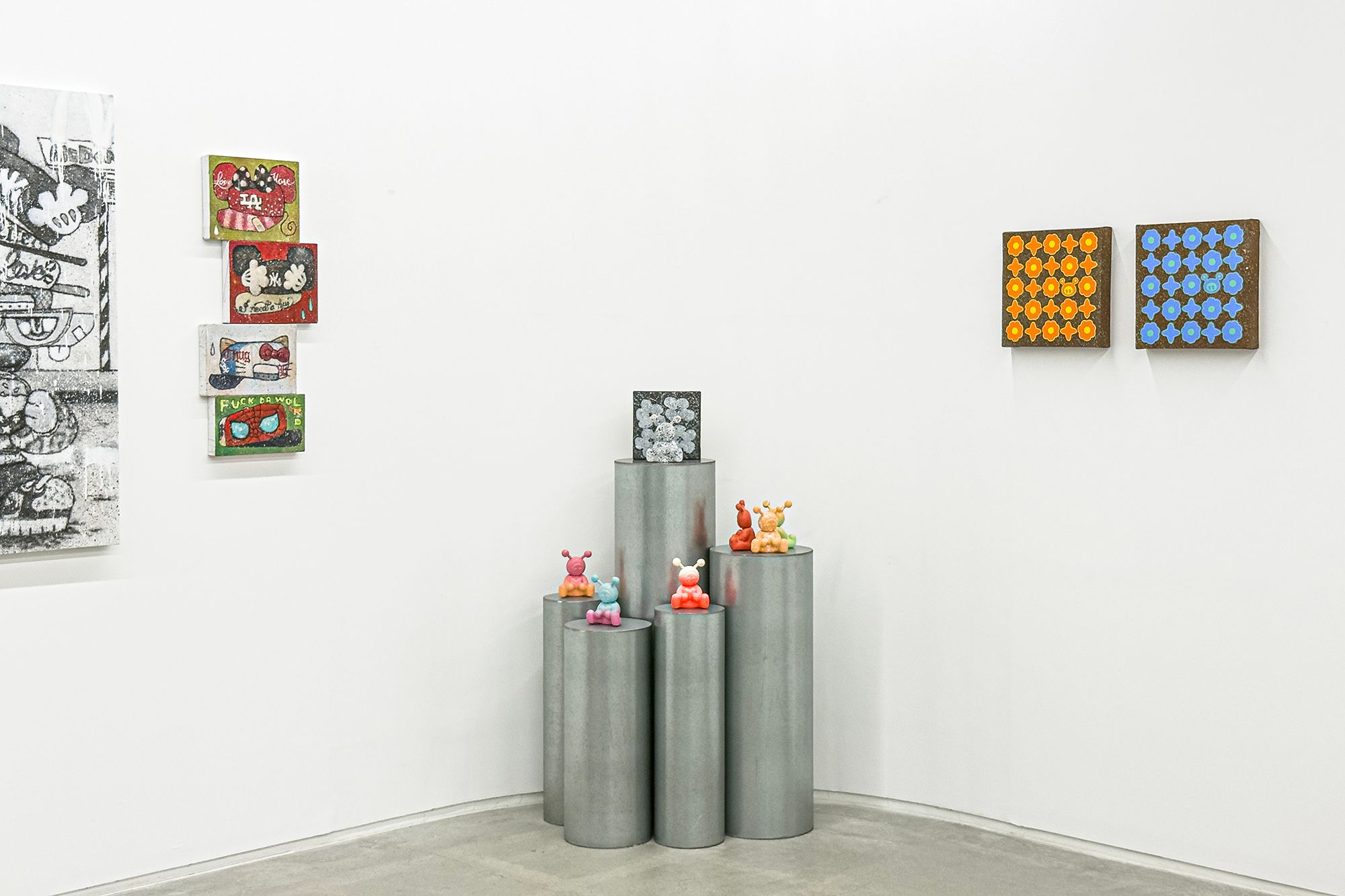
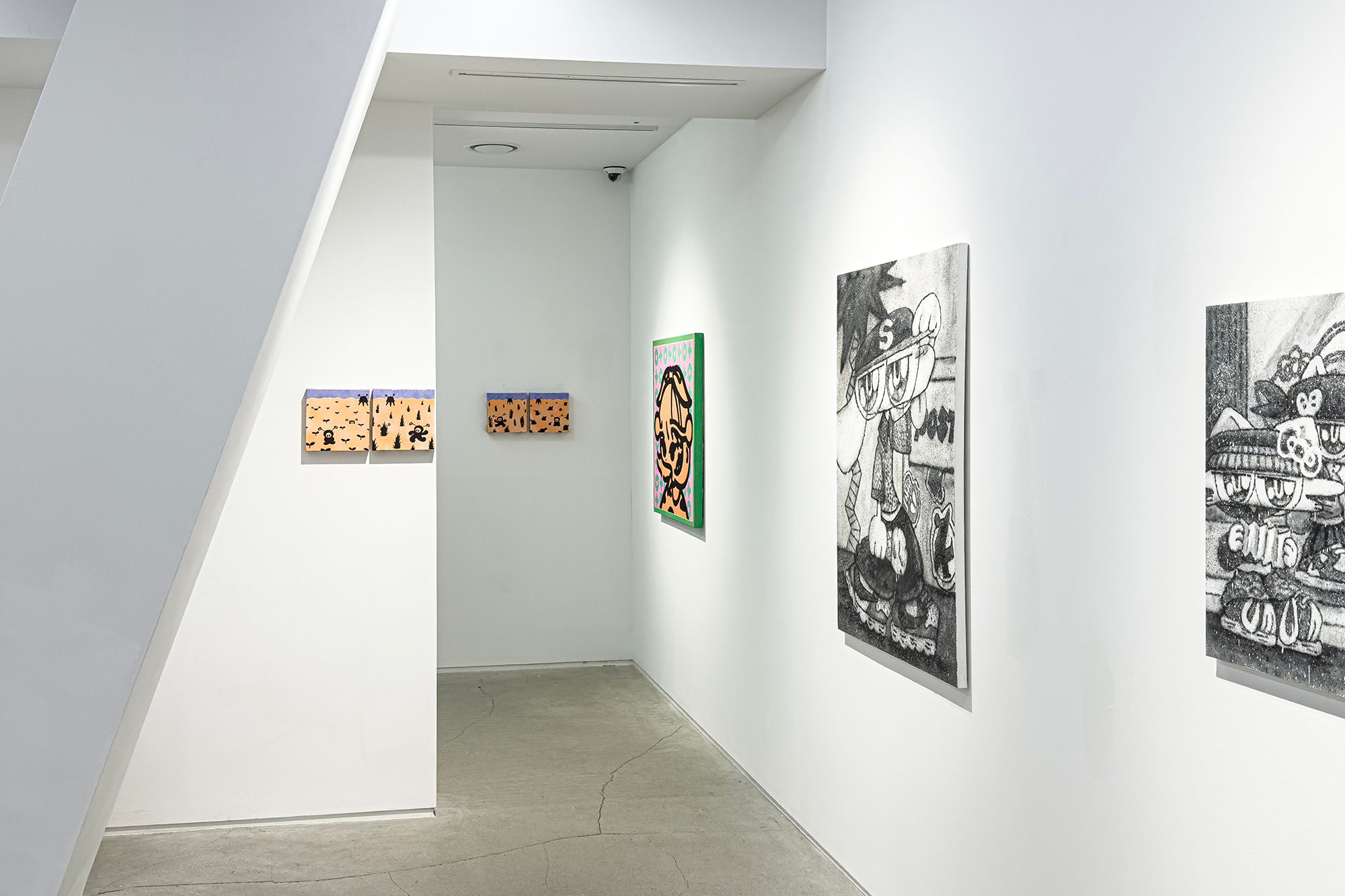
CDA presents SOMEBODY ELSE, a duo exhibition by AOISIMON, based in Fukuoka, Japan, and LUCKXY, based in Seoul. Although the two artists come from different backgrounds—comics and animation on the one hand, hip-hop and street culture on the other—both have developed distinctive artistic worlds centered on their own characters. For them, a character is not simply an image within a composition. It is a presence that reflects the world they have experienced while also opening up new relationships and stories.
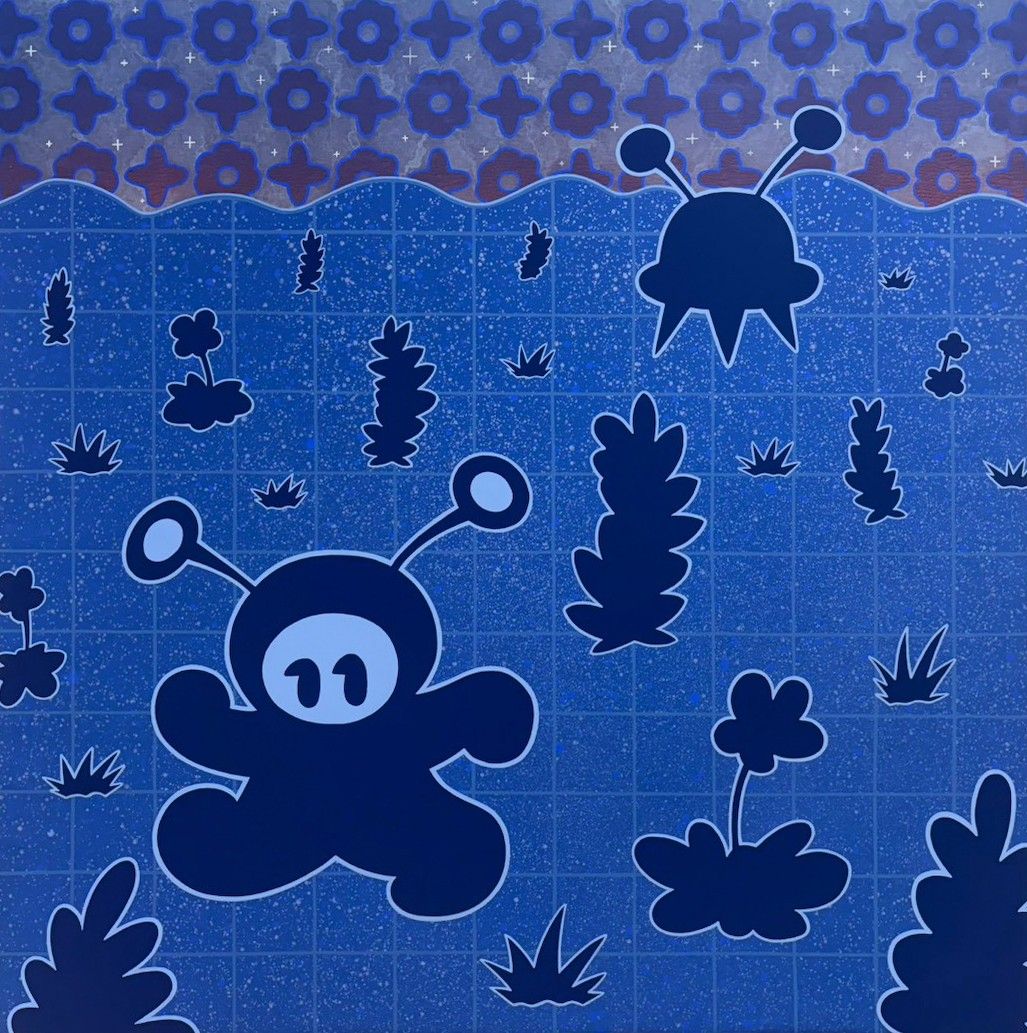
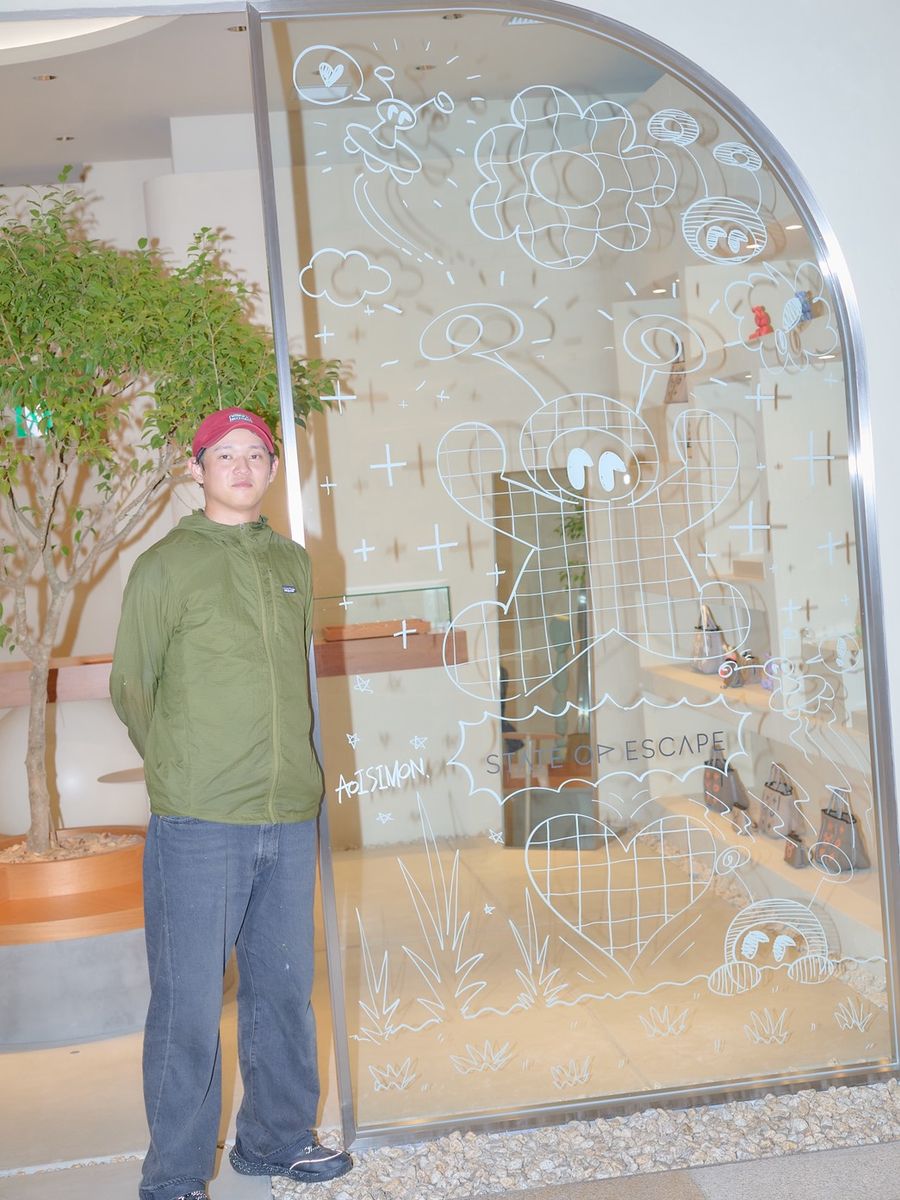
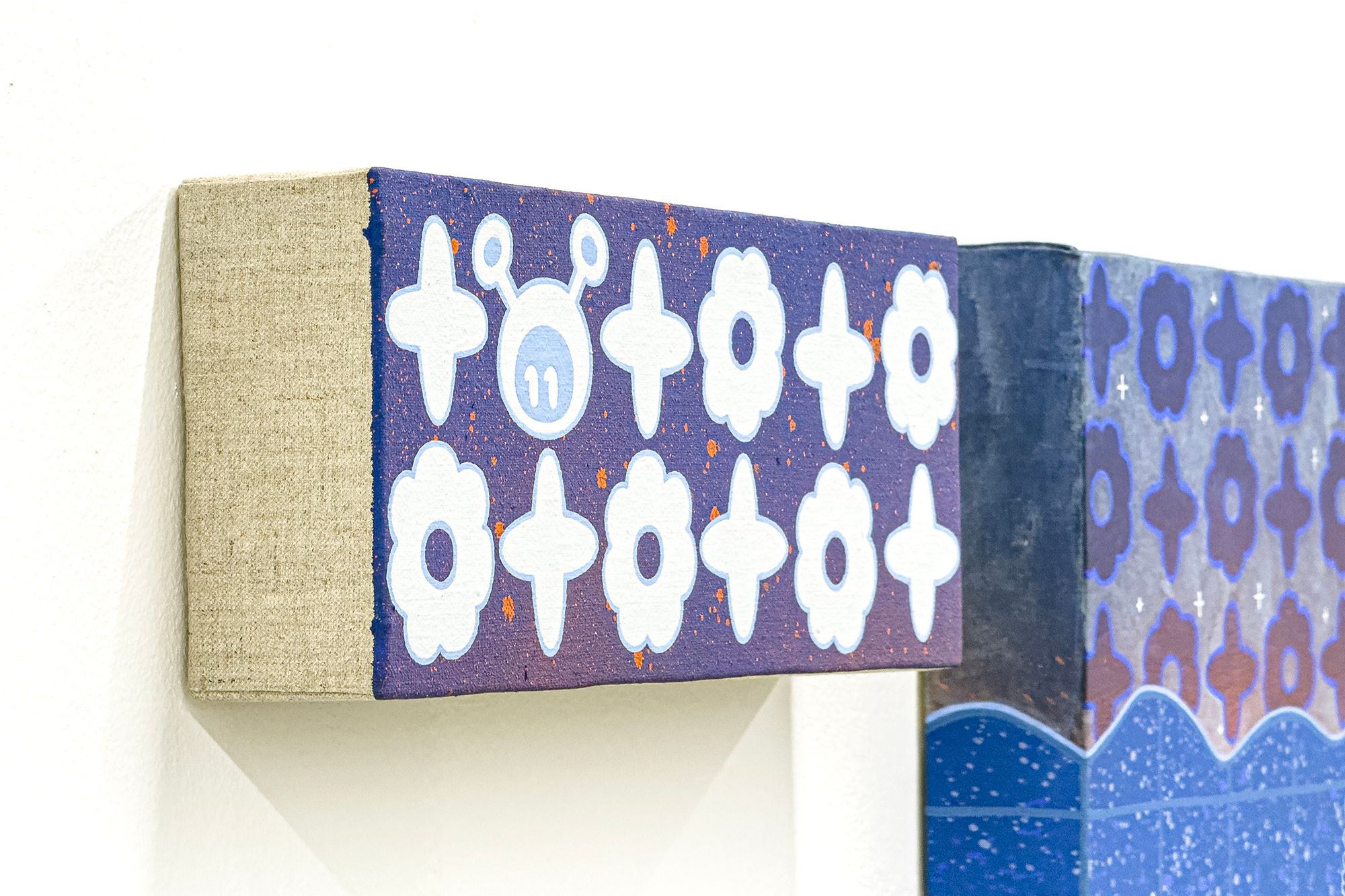
AOISIMON’s practice began with the comics he immersed himself in from childhood. His early ambition to become a manga artist developed his sensitivity to creating characters and shaping narratives, which later became a foundation for expanding his work into painting, sculpture, and space. His signature character, Alien-chan, is an extraterrestrial figure unconstrained by a particular nationality, race, or gender. Although nobody has actually seen an alien, everyone recognizes the idea of one. For the artist, this makes the alien a “Universal Other.” Alien-chan travels through unfamiliar worlds and meets new beings, suggesting the possibility that strangers may form relationships and become friends.
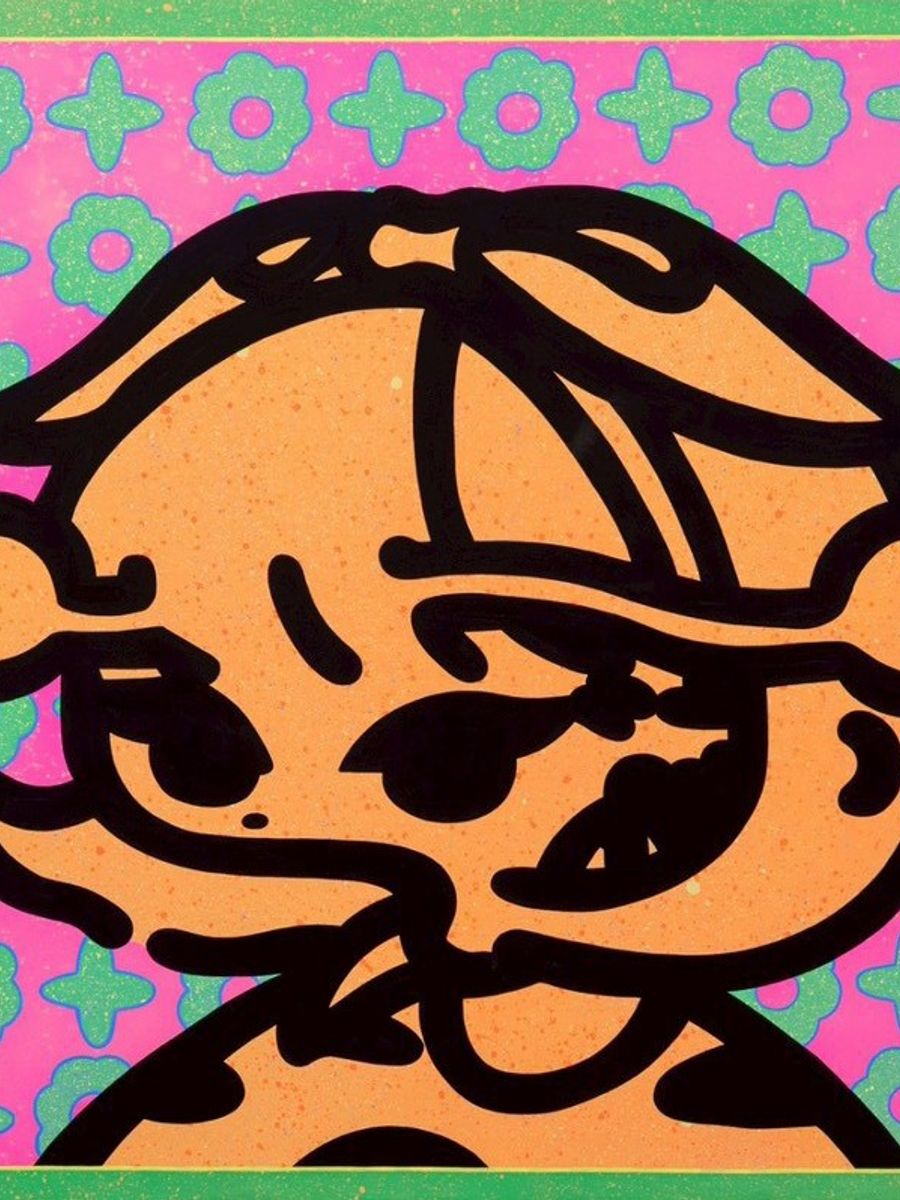
For AOISIMON, comics and contemporary art are not separate domains that must be distinguished or deliberately brought together. He belongs to a generation that grew up in an environment where popular culture and art already coexist naturally. This is reflected in the term “Superflat Native,” used by critic Haruya Nakajima to describe his practice. Vivid colors, comic-inspired forms, and free-flowing compositions demonstrate how characters can move beyond a single medium and expand into new spaces and narratives.
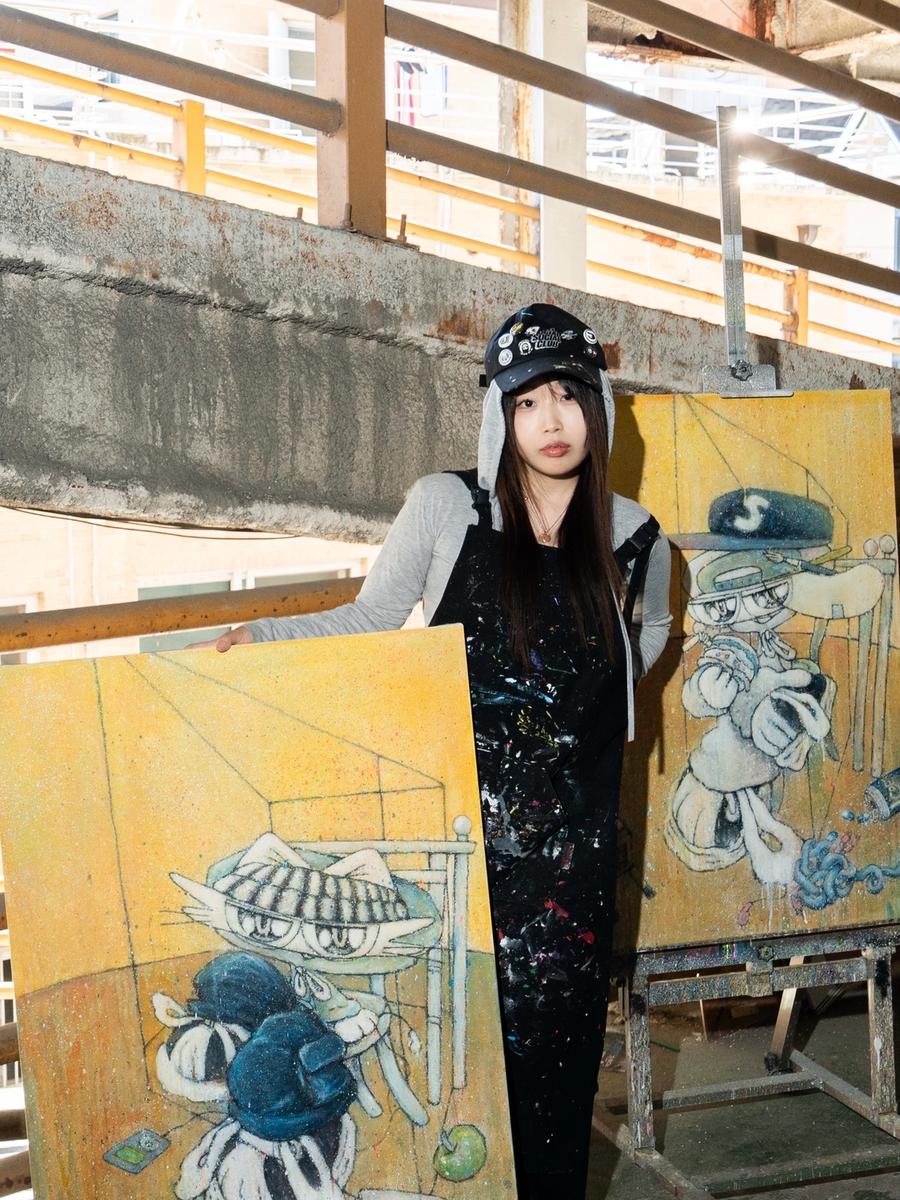
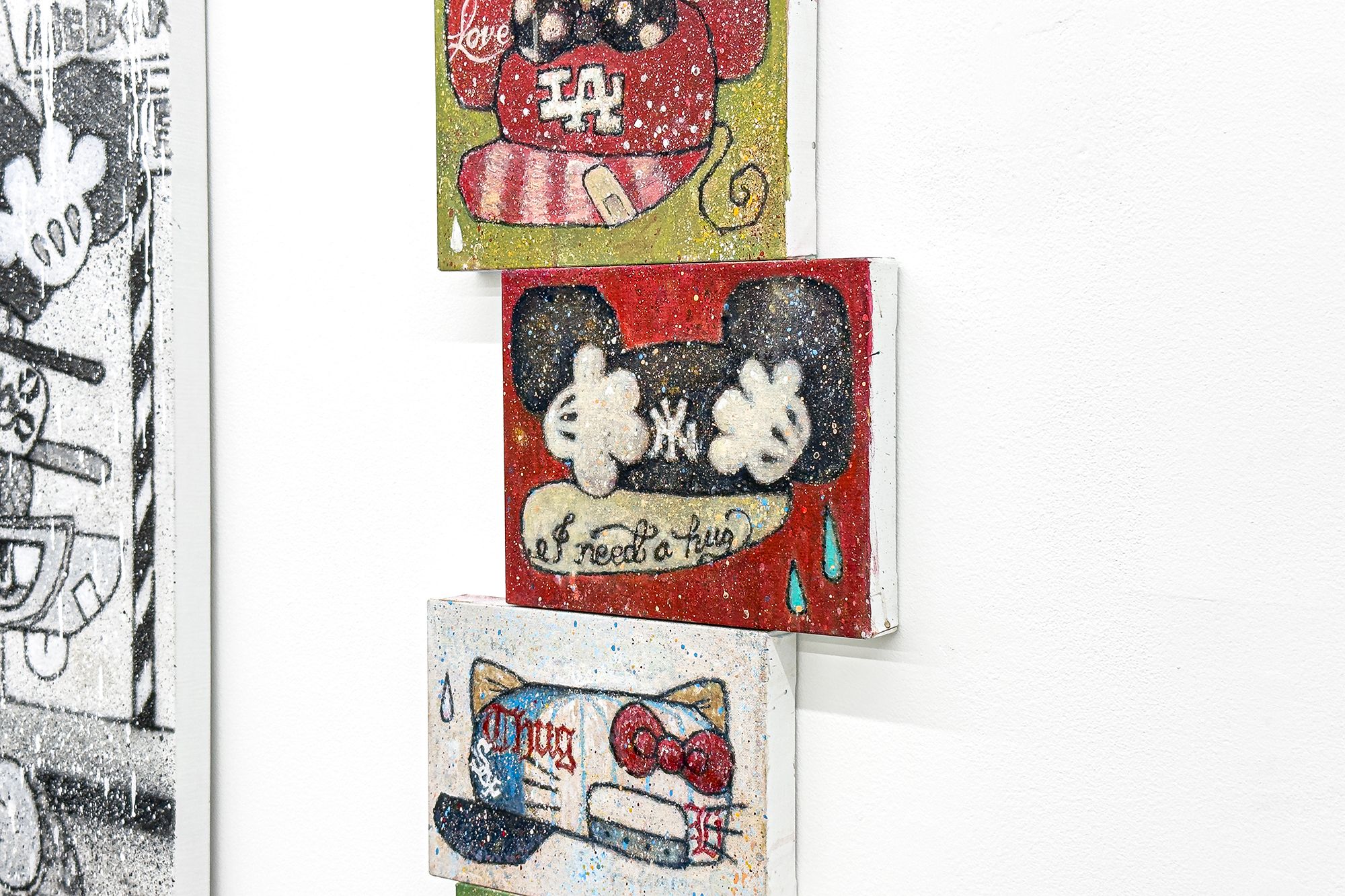
LUCKXY’s practice is rooted in street culture, including hip-hop, fashion, and graffiti, and moves freely between painting and illustration. The central concept running through her work is “sampling.” Just as musicians draw on existing sounds to create new music, she collects and rearranges images, cultural references, and personal memories that she has loved to construct new compositions. This process goes beyond simply borrowing images. It reflects the idea that our identities are formed through the accumulated experiences, tastes, and memories we absorb throughout our lives.
Works